

In the quiet moments after a binge, the world seems to shrink to the space between a person and the toilet bowl. The ritual—swift, secretive, and suffused with shame—is a hallmark of bulimia nervosa, an eating disorder characterized by cycles of binge eating followed by compensatory behaviors like self-induced vomiting, laxative misuse, or excessive exercise. While the psychological torment of bulimia is often discussed, its physical toll can be just as devastating, etching itself into the very fabric of the body. From the teeth to the heart, the digestive system to the endocrine balance, bulimia leaves no system untouched. This article delves into the intricate, often hidden, ways bulimia reshapes the body, drawing on medical research, patient narratives, and clinical insights to paint a holistic picture of its impact.
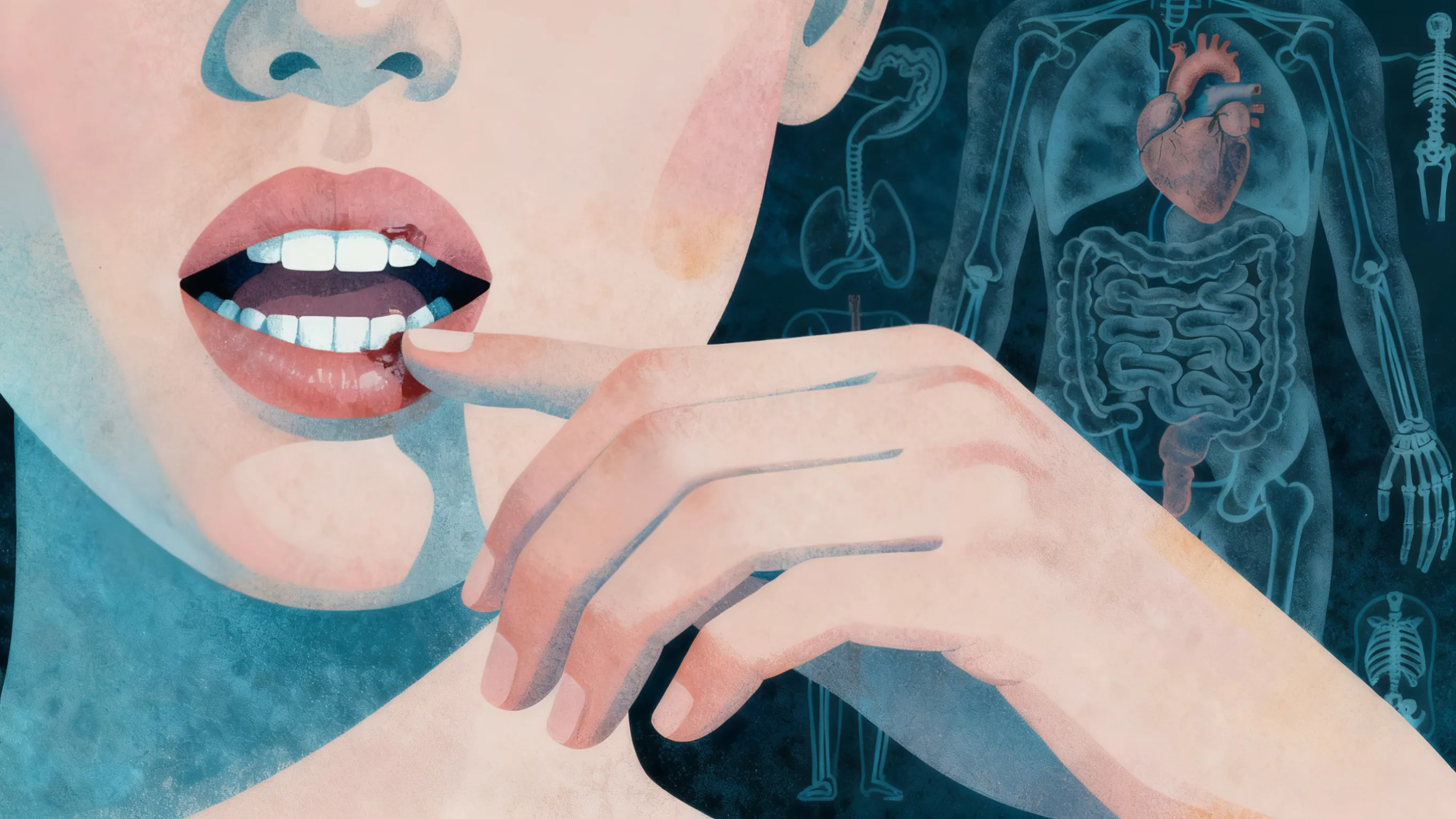
It often starts here: the acidic burn of vomit against enamel. Dr. Lena Petrov, a dentist specializing in eating disorder-related oral health, notes that “frequent exposure to stomach acid erodes tooth enamel rapidly, leading to sensitivity, discoloration, and increased risk of cavities.” Some patients, she observes, develop a translucent quality to their front teeth, a subtle yet telling sign. But the damage doesn’t stop at the teeth. The soft tissues of the mouth—the gums, palate, and throat—become inflamed and prone to ulcers. Salivary glands may swell, creating a characteristic “chipmunk” appearance, as the body overproduces saliva in response to repeated vomiting. One former patient, Sarah, recalls how her dentist gently asked if she had been ill frequently. “It was the first time someone saw the physical evidence,” she says. “I felt exposed, but also strangely seen.”
Beyond the mouth, the entire gastrointestinal (GI) tract rebels. The esophagus, a muscular tube designed to guide food downward, becomes a battleground. Acid reflux is common, with some individuals developing gastroesophageal reflux disease (GERD). In severe cases, retching can cause Mallory-Weiss tears—small rips in the esophageal lining that lead to bleeding. Research published in the Journal of Eating Disorders highlights that chronic vomiting may even increase the risk of Barrett’s esophagus, a precancerous condition.
Further down, the stomach stretches uncomfortably during binges, delaying emptying and causing bloating and pain. Laxative abuse, another common purging method, wreaks havoc on the colon. Over time, the colon may become “lazy,” leading to chronic constipation when laxatives are discontinued. Electrolyte imbalances—particularly in potassium, sodium, and chloride—disrupt nerve function and muscle contractions throughout the GI system. Perhaps one of the most underreported issues, according to gastroenterologist Dr. Ben Carter, is the disruption of the gut-brain axis. “The gut’s microbiome is intimately linked to mood and stress response,” he explains. “Bulimia creates a feedback loop where psychological distress alters gut function, which in turn exacerbates mental health symptoms.”
If there’s a medical emergency lurking in bulimia, it often involves the heart. Electrolyte imbalances—especially hypokalemia (low potassium)—can trigger arrhythmias, palpitations, and even sudden cardiac arrest. The heart muscle, a finely tuned instrument, relies on stable levels of potassium and sodium to maintain its rhythm. When these are depleted through vomiting or laxative use, the electrical signals governing each heartbeat become erratic. A 2021 review in Cardiology in Review pointed out that individuals with bulimia have a higher incidence of prolonged QT intervals on electrocardiograms, a marker for life-threatening arrhythmias.
One might assume that these cardiac issues only affect those with long-standing illness, but case studies suggest otherwise. Adolescents and young adults, who may have been engaging in purging for only a few months, have been hospitalized with severe electrolyte disturbances. The unpredictability is what makes it so dangerous; as one cardiologist noted, “The heart doesn’t care how long you’ve been unwell. It only responds to the signals it’s given.”
Bulimia doesn’t merely disrupt the body’s structural systems—it also throws hormones into disarray. The hypothalamic-pituitary-adrenal (HPA) axis, which regulates stress response, is often overactive, leading to elevated cortisol levels. This can contribute to anxiety, sleep disturbances, and even weight gain around the abdomen, ironically counteracting the desired “control” that drives the disorder. Reproductive hormones are equally vulnerable. Many individuals with bulimia experience irregular menstrual cycles or amenorrhea (absence of periods), as the body perceives a state of famine and shuts down non-essential functions like reproduction.
Thyroid function may also be impaired. Some studies suggest that low T3 levels, common in eating disorders, can slow metabolism and cause fatigue, dry skin, and hair loss. It’s a cruel irony: the pursuit of an “ideal” body through bulimia can lead to metabolic adaptations that make weight management even more challenging in recovery.
Calcium and vitamin D deficiencies, common in those who purge or restrict nutrients, undermine bone density. Over time, this can lead to osteopenia or osteoporosis, increasing fracture risk. A 2019 study in the International Journal of Eating Disorders found that bone density loss in bulimia patients was significant, even when body weight was within normal ranges. Muscle wasting is another concern; without adequate protein and calories, the body breaks down muscle tissue for energy. This can result in weakness, fatigue, and a decreased ability to engage in physical activity—something that many with bulimia once used as a purging method.
The body’s distress often surfaces in visible ways. Dehydration from purging can lead to dry, flaky skin and brittle nails. Some individuals develop calluses on the backs of their hands—known as Russell’s sign—from repeatedly inducing vomiting. Hair may thin or fall out due to nutrient deficiencies, while fine lanugo hair can sometimes grow on the face and body as the body attempts to insulate itself. These external markers often carry a heavy emotional weight, serving as constant reminders of the disorder’s grip.
Despite the extensive damage, the body possesses a remarkable capacity to heal. With consistent nutrition and cessation of purging, electrolyte balances can stabilize within days. Dental erosion may require restorative work, but further decay can be halted. GI function often improves, though some individuals may experience lingering sensitivities. Bone density recovery is slower and may be incomplete, underscoring the importance of early intervention.
Yet, recovery is not just physical. It requires addressing the psychological roots of bulimia—the perfectionism, the trauma, the cultural pressures—and rebuilding a relationship with food and body that is grounded in compassion rather than control. As one therapist shared, “Healing from bulimia isn’t about fixing a broken body; it’s about reuniting with a body that has been fighting to survive.”
Bulimia’s physical effects are both visceral and invisible, woven into the daily functioning of organs and the subtle balance of chemistry. They remind us that eating disorders are not merely “lifestyle choices” or phases but serious medical conditions with life-altering consequences. By understanding the full scope of this impact—from the mouth to the heart, the hormones to the bones—we can foster greater empathy, improve clinical care, and perhaps help those struggling to seek support before the damage becomes irreversible. After all, the body keeps score, but it also remembers how to heal.