

In the quiet moments before dawn, when the world is still wrapped in shadows, many find their minds racing. Thoughts spiral into worries, and worries morph into a heavy, invisible weight. For those grappling with anxiety, this weight is a constant companion—a whisper of unease that can crescendo into overwhelming dread. Yet, emerging research and lived experiences suggest a powerful, often underutilized antidote: movement.
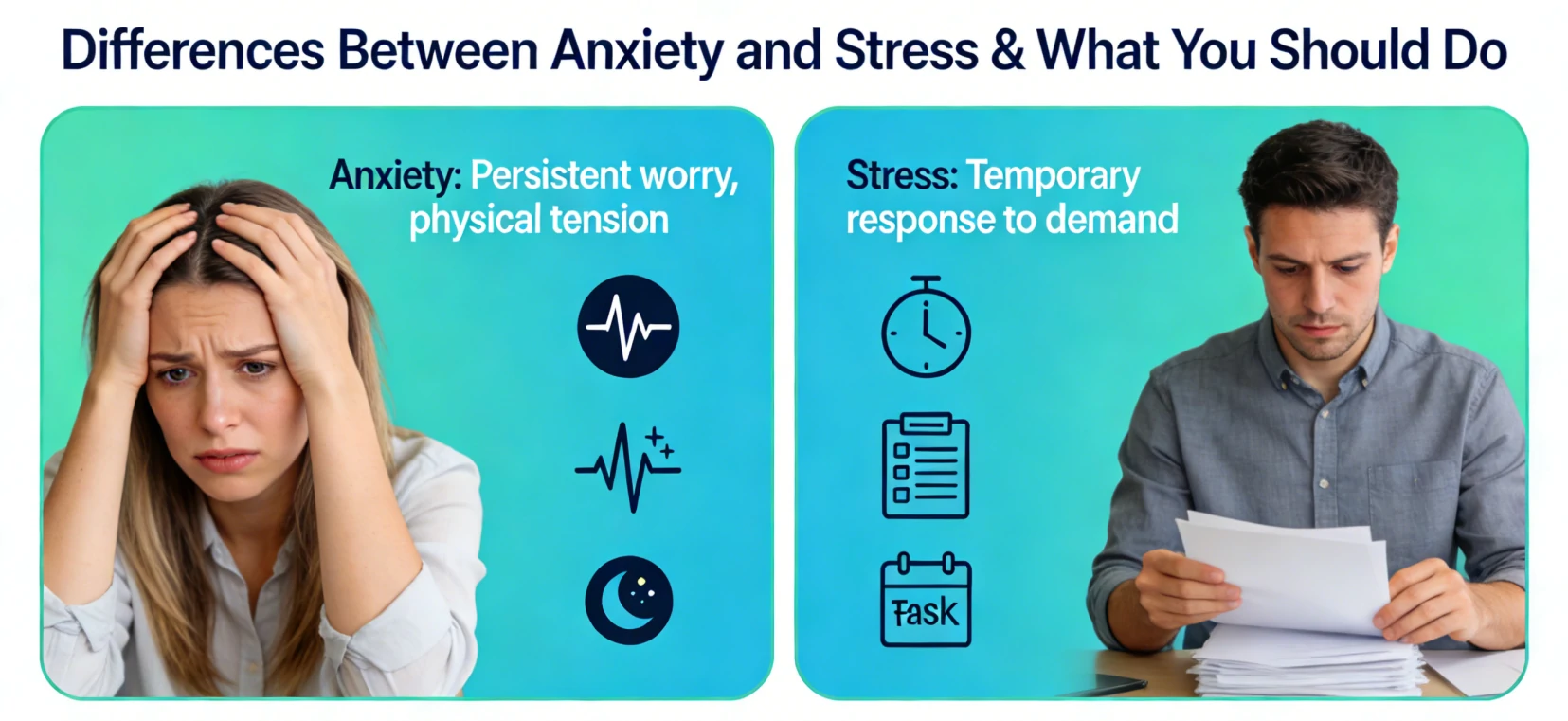
When anxiety tightens its grip, the body responds as if facing a predator. The heart pounds, muscles tense, and breath quickens—a primal reaction known as the "fight-or-flight" response. While this mechanism once helped our ancestors survive, modern stressors—from deadlines to digital overload—can trap the body in a perpetual state of high alert.
Physical activity, however, interrupts this cycle. As Dr. Emily Carter, a neuroscientist at the Global Institute for Mental Health, explains, "Exercise acts as a reset button for the nervous system. It teaches the body to regulate stress responses more effectively." When we engage in aerobic activities like running or cycling, the brain releases endorphins—neurochemicals often dubbed "feel-good hormones." These compounds not dull pain but also induce a sense of euphoria, colloquially known as the "runner’s high."
But the benefits extend beyond endorphins. Studies indicate that regular exercise boosts levels of brain-derived neurotrophic factor (BDNF), a protein that supports neuronal health and fosters neuroplasticity—the brain’s ability to adapt and rewire. In individuals with anxiety, BDEF levels are often diminished; physical activity may help restore this balance, potentially reducing the neural hyperactivity linked to excessive worry.
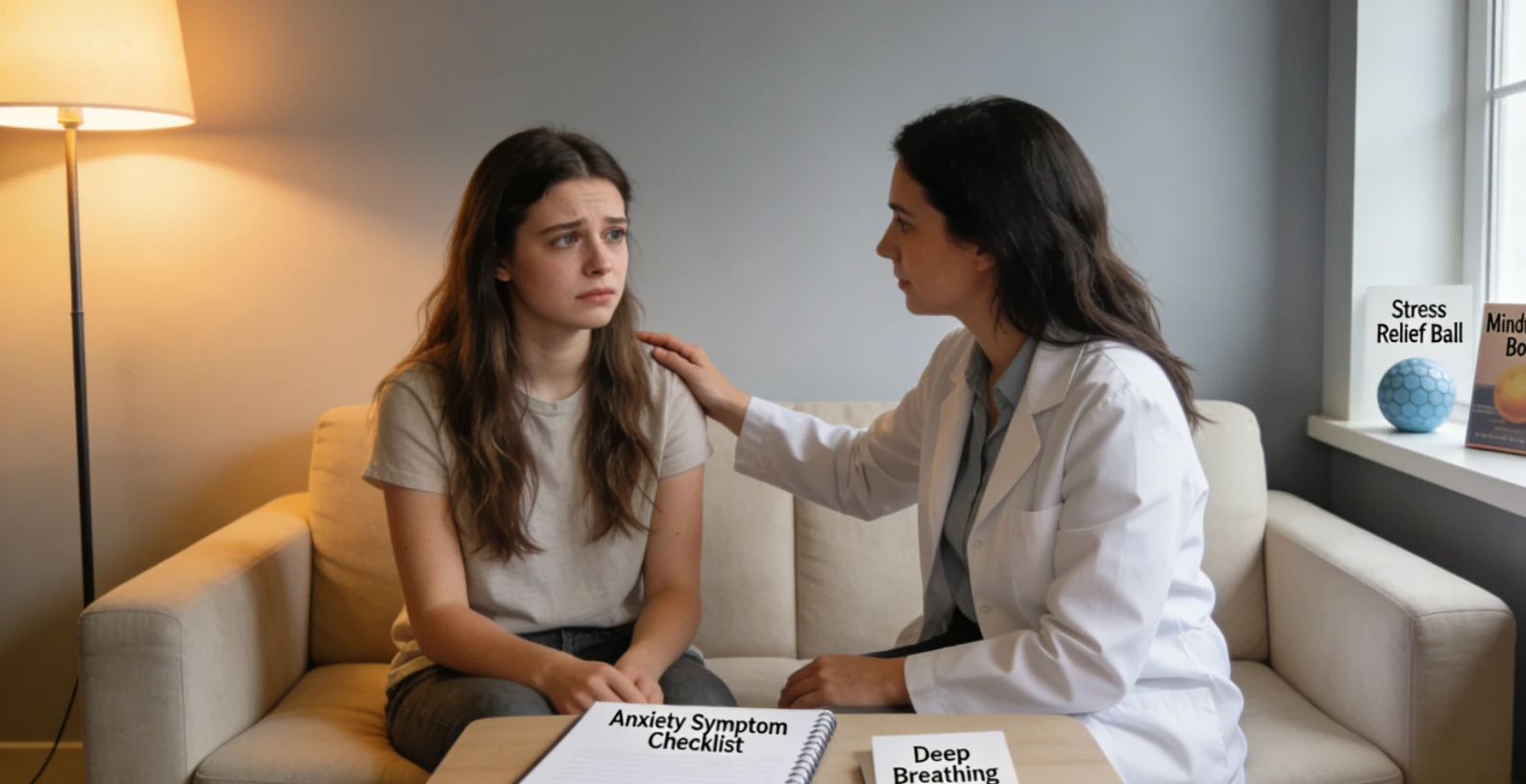
Take Maria, a 34-year-old graphic designer who describes her anxiety as "a fog that never lifts." For years, she relied solely on therapy and medication, yet felt something was missing. It was only after incorporating daily walks into her routine that she noticed a shift. "The act of putting one foot in front of the other became a metaphor for progress," she reflects. "With each step, the fog seemed to thin."
Maria’s experience echoes findings from a 2022 study published in The Lancet Psychiatry, which analyzed data from over 1.2 million adults. Researchers found that those who exercised regularly reported 1.5 fewer days of poor mental health per month compared to their sedentary counterparts. Notably, team sports, cycling, and aerobic gym sessions yielded the most significant reductions in anxiety symptoms.
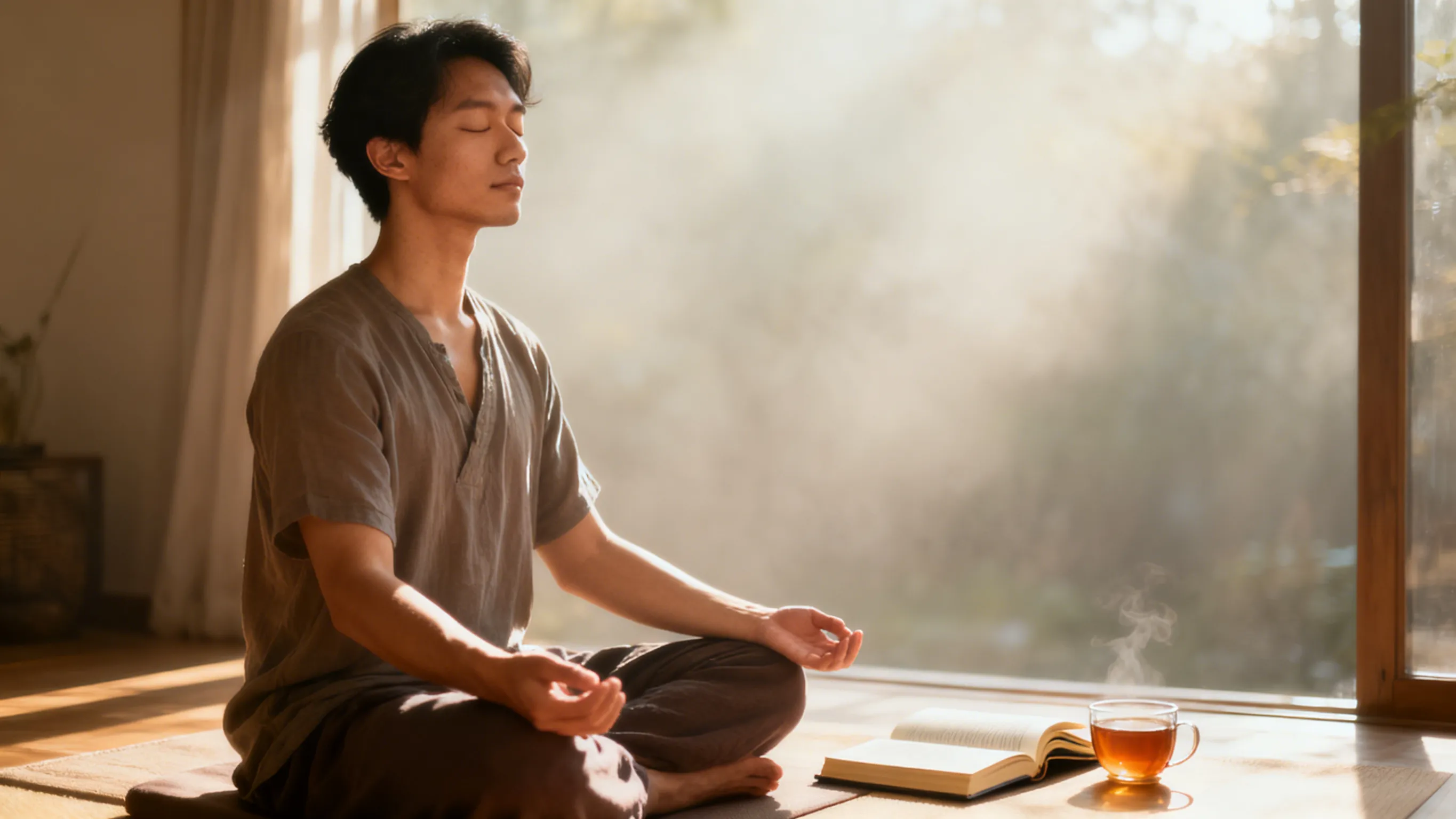
Exercise need not be grueling to be effective. For some, the gentle flow of yoga or tai chi offers a dual benefit: physical exertion coupled with mindful awareness. These practices emphasize breath control and deliberate movement, anchoring the mind in the present moment—a stark contrast to anxiety’s tendency to dwell on hypothetical futures.
According to Dr. Liam Chen, a psychologist specializing in somatic therapies, "Movement can be a form of meditation. The rhythm of a swimmer’s strokes or the focus required in rock climbing forces the mind to temporarily release its worries." This aligns with the concept of "flow," a state of immersive engagement where self-consciousness fades, and time seems to suspend.
While evidence overwhelmingly supports exercise as a tool for managing anxiety, it is not a panacea. Some researchers caution against oversimplifying the relationship. For instance, a 2021 review in JAMA Psychiatry highlighted that excessive exercise—particularly in individuals with obsessive tendencies—could exacerbate anxiety symptoms. Moreover, socioeconomic barriers, such as limited access to safe spaces or financial constraints, may prevent marginalized communities from reaping these benefits.
As one public health advocate noted, "Prescribing exercise without addressing systemic inequities is like offering a bandage for a bullet wound." Thus, integrating physical activity into mental health care requires a nuanced, individualized approach.
For those seeking to harness exercise’s calming effects, experts recommend starting small. A 10-minute walk during a lunch break, dancing to a favorite song, or stretching while watching television can serve as entry points. Consistency matters more than intensity; even modest increases in activity can yield measurable improvements in mood.
Technology, too, offers innovative solutions. Fitness apps like Strava or Headspace’s movement-based meditations provide structure and community, reducing the isolation often felt by those with anxiety. Yet, as with any tool, balance is key. Over-reliance on metrics—step counts, heart rate zones—may inadvertently fuel perfectionism, undermining the very solace exercise aims to provide.
In an era where anxiety disorders affect nearly 300 million people globally, the conversation around mental health is expanding. Physical activity, once relegated to the realm of physical health, is now recognized as a cornerstone of psychological resilience. As author and activist bell hooks once wrote, "Redeeming the body is an act of resistance in a culture that profits from our self-hatred." Perhaps, then, movement is not just a remedy but a reclamation—a way to rediscover agency in a world that often leaves us feeling powerless.
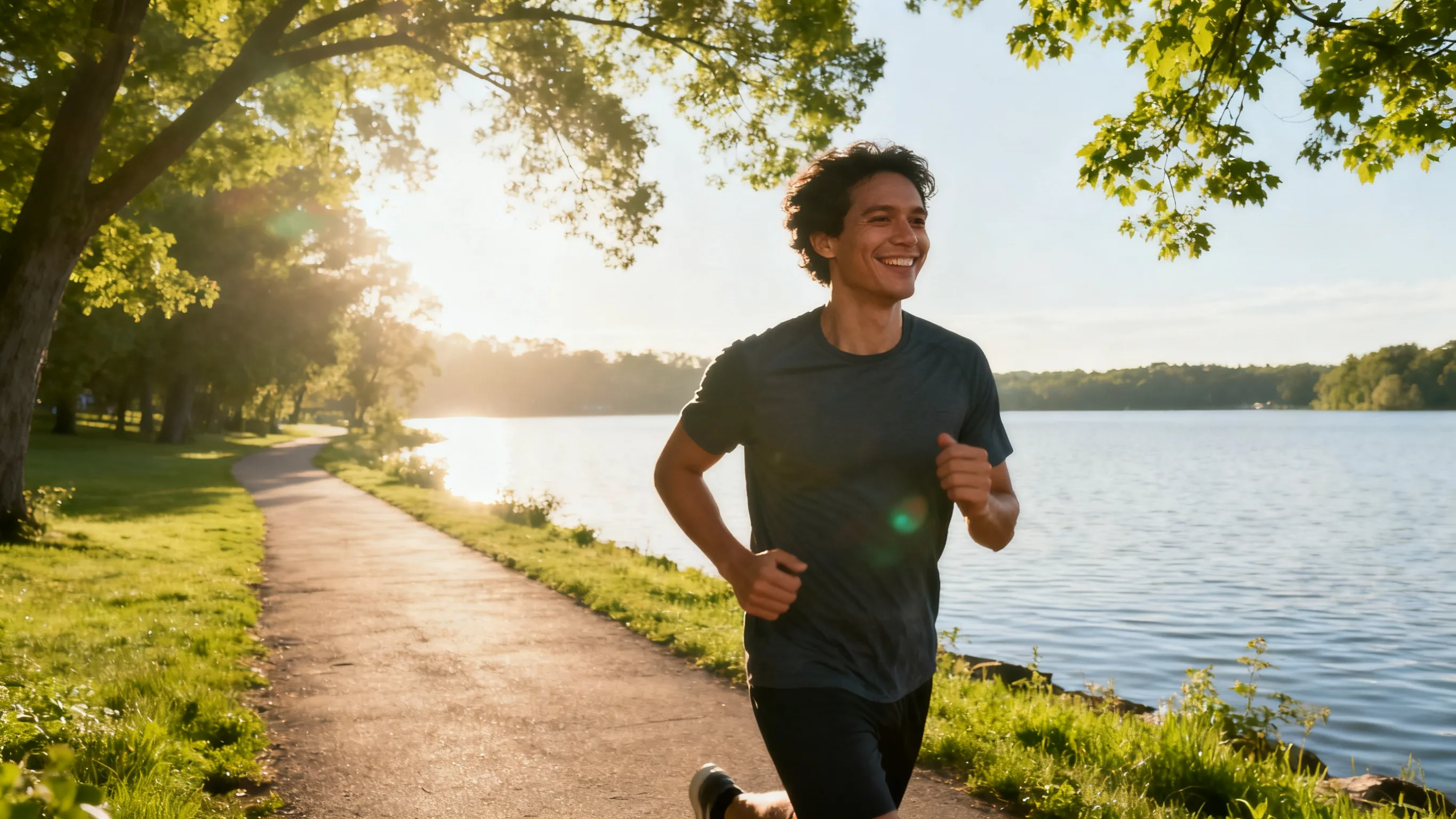
So, the next time anxiety whispers, remember: the path to calm may lie not in stillness, but in motion. Whether it’s a sprint through the park or a slow stretch under the morning sun, each movement is a step toward reclaiming peace.