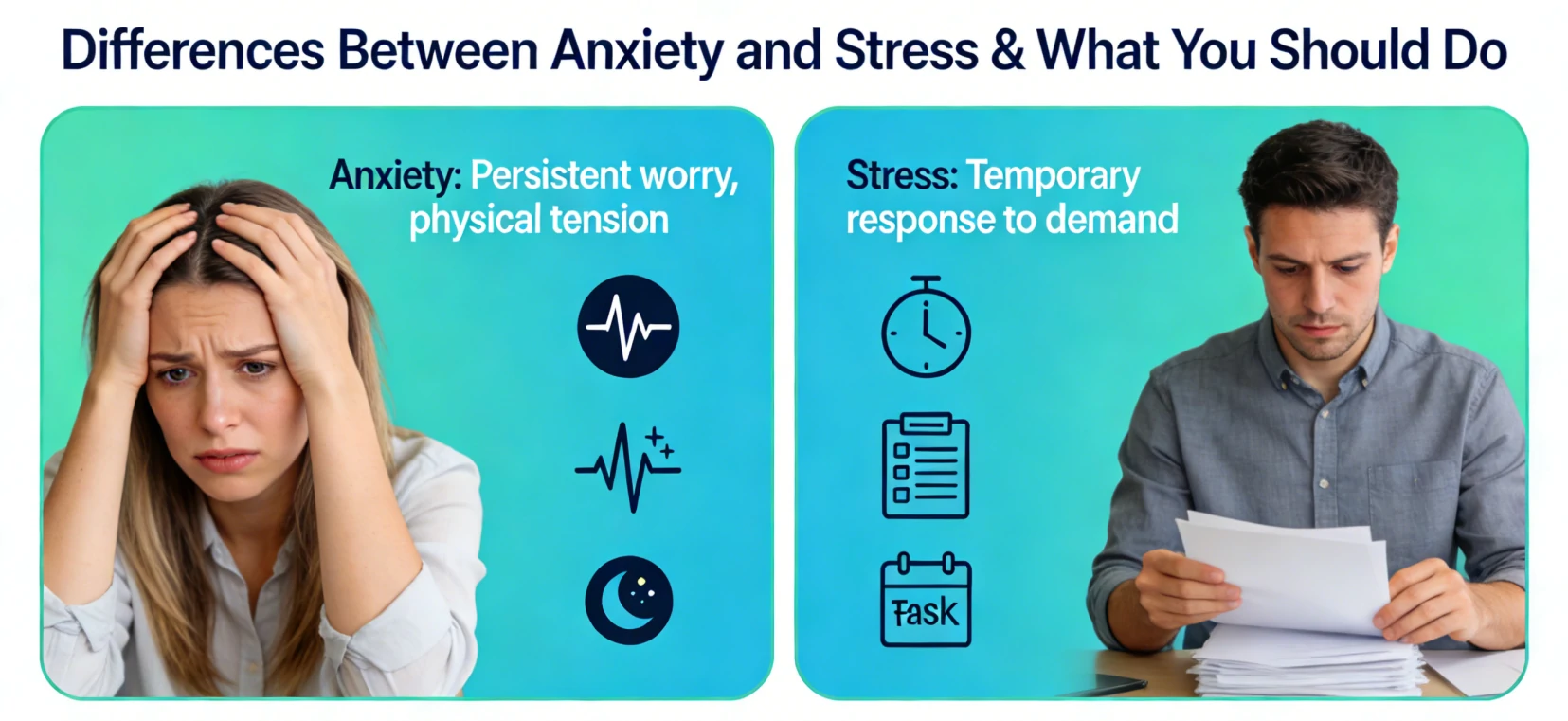


In the quiet moments before dawn, when the world still slumbers, anxiety often awakens. It’s a companion to millions—a shadow that lingers in the corners of daily life. For some, it’s a fleeting unease; for others, a relentless force that shapes decisions, relationships, and even identities. Yet, amid the turmoil, there is hope. The journey to managing anxiety is not a solitary one, nor is it a linear path. It’s a mosaic of therapies, insights, and personal discoveries, each piece contributing to a fuller picture of well-being.
Anxiety, as described by the American Psychological Association, is an emotion characterized by tension, worried thoughts, and physical changes like increased blood pressure. But such clinical definitions often fall short of capturing its lived reality. Perhaps it’s the college student whose heart races before an exam, or the new parent lying awake, imagining countless what-ifs. These moments, though deeply personal, are part of a broader narrative. According to the World Health Organization, anxiety disorders are among the most common mental health conditions globally, affecting over 260 million people. Yet, despite its prevalence, the experience of anxiety remains uniquely individual—a tapestry woven from biology, environment, and circumstance.
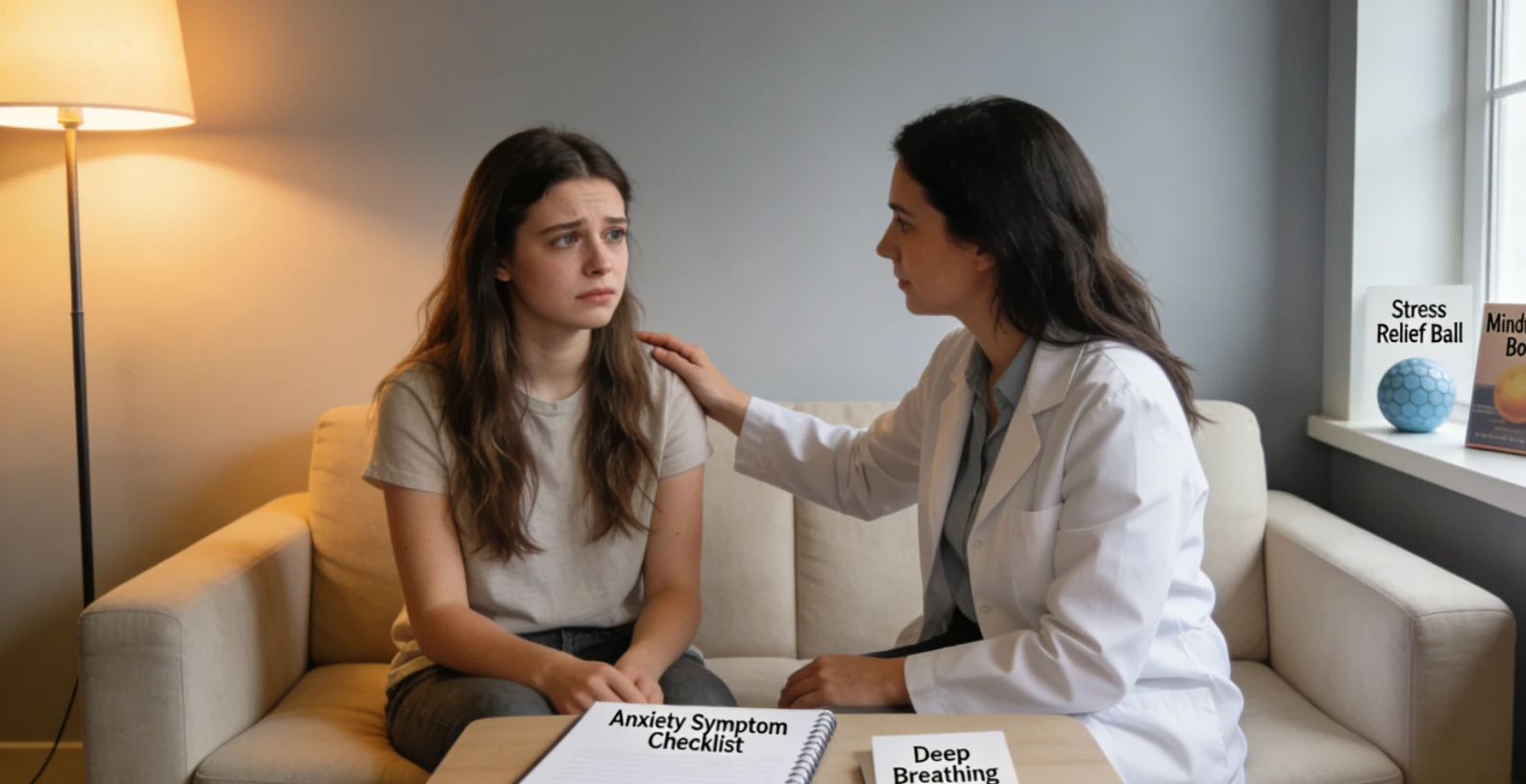
When it comes to treatment, psychotherapy often serves as the cornerstone. Among the most widely recognized is Cognitive Behavioral Therapy (CBT), a structured, time-limited approach that targets the interplay between thoughts, emotions, and behaviors. Studies, including a meta-analysis published in JAMA Psychiatry, suggest that CBT can reduce anxiety symptoms by up to 50% in many cases. But what does this look like in practice? Imagine a woman who avoids social gatherings for fear of judgment. Through CBT, she learns to identify distorted thoughts—“They’ll think I’m boring”—and replace them with balanced perspectives. It’s a process of rewiring, one thought at a time.
Yet, CBT is not the only option. Psychodynamic therapy, for instance, delves into unconscious patterns rooted in past experiences. Some researchers argue that this approach uncovers deeper triggers, offering long-term relief where shorter-term methods might fall short. Then there’s Acceptance and Commitment Therapy (ACT), which encourages individuals to embrace their emotions rather than fight them. As one therapist noted, “Anxiety isn’t the enemy; it’s a signal.” These modalities, while distinct, share a common goal: to equip individuals with tools to navigate their inner landscapes.
Therapy has evolved far beyond the traditional hour-long session. In recent years, technology has ushered in a new era of accessibility and innovation. Take digital therapeutics, for example. Apps like Woebot and Sanvello use AI-driven conversations to deliver CBT principles, making support available at any time. Preliminary studies, such as those cited in The Lancet Digital Health, indicate that these tools can significantly reduce anxiety symptoms, particularly for those hesitant to seek in-person care.
But technology isn’t the only frontier. Neurofeedback, a technique that trains individuals to regulate brain activity, has gained traction. By monitoring real-time EEG data, patients learn to modulate patterns associated with anxiety. Some clinicians describe it as “giving the brain a mirror,” though its efficacy remains a topic of debate. Similarly, psychedelic-assisted therapy has emerged as a provocative yet promising avenue. Research from institutions like Johns Hopkins University explores how substances like psilocybin, under controlled conditions, can facilitate breakthroughs in treatment-resistant anxiety. As one participant in a clinical trial shared, “It felt like unlocking a door I didn’t know existed.”
For many, medication is a vital component of treatment. Selective serotonin reuptake inhibitors (SSRIs), such as sertraline and escitalopram, are often the first line of defense. They work by increasing serotonin levels in the brain, which can alleviate symptoms over time. Yet, their use is far from straightforward. Side effects—weight gain, fatigue, or emotional numbness—can complicate the decision. As one patient lamented, “The pills quieted the anxiety, but they also quieted me.”
Benzodiazepines, like alprazolam, offer rapid relief but carry risks of dependence. Some experts caution against their long-term use, while others argue they have a place in crisis management. Then there’s the growing interest in off-label treatments, such as beta-blockers, which target physical symptoms like trembling or rapid heartbeat. The key, perhaps, lies in personalized medicine. Genetic testing, for instance, is now being used to predict how individuals will respond to certain medications, minimizing trial and error.
Therapy and medication are critical, but they’re only part of the story. Increasingly, research highlights the role of lifestyle in managing anxiety. Regular physical activity, for example, has been shown to reduce symptoms by promoting the release of endorphins and lowering stress hormones. A morning jog or a yoga session can be as much about mental clarity as physical health.
Nutrition, too, plays a role. Diets rich in omega-3 fatty acids, magnesium, and probiotics may support brain health, though the evidence is still emerging. As one nutritionist noted, “The gut is often called the second brain—it’s no surprise that what we eat affects how we feel.” Meanwhile, mindfulness practices, from meditation to breathwork, offer a way to anchor oneself in the present. Studies, including those from Harvard Medical School, suggest that mindfulness can reshape neural pathways, reducing the brain’s reactivity to stress.
Amid the discussions of modalities and mechanisms, it’s easy to overlook the power of human connection. Support groups, whether in-person or virtual, provide a space for shared experiences. There’s a unique comfort in hearing someone else articulate your struggles—a reminder that you’re not alone. For some, this sense of community becomes a lifeline.
Even smaller gestures matter. A text from a friend, a walk with a loved one, or the simple act of being heard can chip away at the isolation anxiety fosters. As writer Matt Haig once observed, “The world is increasingly designed to depress us. Happiness isn’t very good for the economy. But we are not just consumers. We are people, and connection is what sustains us.”
Finding the right treatment for anxiety is rarely a straightforward endeavor. It’s a process of experimentation, setbacks, and small victories. What works for one person may not work for another, and that’s okay. The goal is not to eradicate anxiety entirely—a feat likely impossible—but to build a relationship with it, to understand its whispers and shouts, and to cultivate a life where it no longer holds the reins.
In the end, the most comprehensive therapy is one that honors the complexity of the human experience. It’s a blend of science and soul, of professional guidance and personal insight. And as research continues to unfold, offering new tools and perspectives, one truth remains: the journey toward balance is both a solitary and a shared endeavor—a testament to resilience, and to the enduring hope for calm amid the storm.