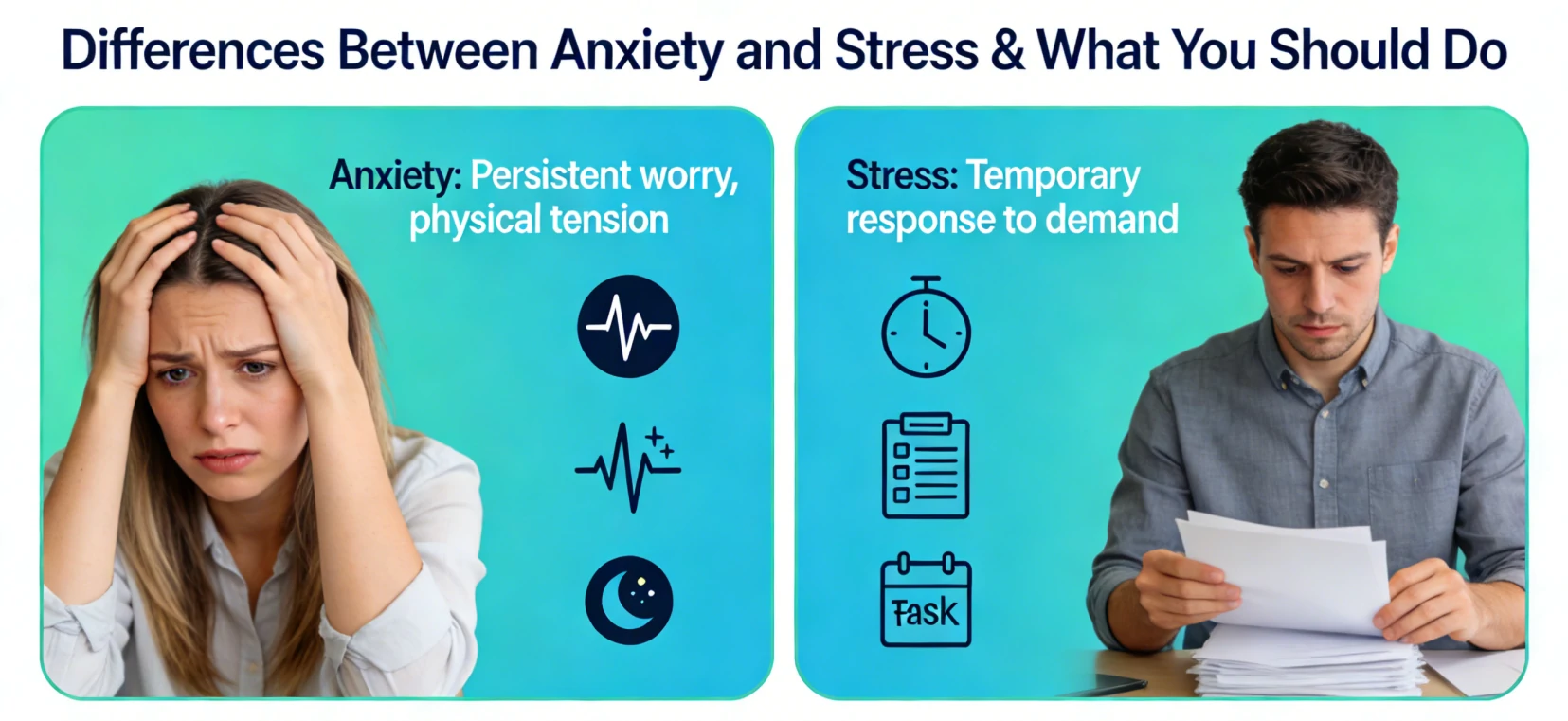


Life, in its unpredictable rhythm, often presents moments that shake our foundations. Whether it’s the loss of a loved one, a sudden career shift, or the quiet unease of a global pandemic, these events can act as catalysts for anxiety—a shadow that lingers long after the initial shock subsides. According to the World Health Organization, anxiety disorders are among the most common mental health conditions worldwide, affecting over 260 million people. Yet, what transforms ordinary stress into debilitating anxiety? And how can we navigate these turbulent waters with resilience? This article delves into the intricate relationship between life events and anxiety, offering evidence-based strategies to reclaim balance.
Anxiety isn’t merely a fleeting sense of unease; it’s a complex interplay of biology, environment, and psychology. Dr. Ellen Vora, a psychiatrist specializing in holistic mental health, describes anxiety as “the body’s alarm system misfiring”—a survival mechanism gone awry. When faced with a threat, the amygdala, the brain’s fear center, triggers a cascade of stress hormones like cortisol and adrenaline. For some, this response becomes hypersensitive, turning everyday challenges into perceived dangers.
Take, for instance, the story of Maria, a 34-year-old teacher. The pandemic lockdowns initially felt like a temporary disruption. But as months passed, the isolation and uncertainty eroded her sense of control. Mundane tasks, like grocery shopping, became sources of dread. Her heart would race; her thoughts spiraled into worst-case scenarios. Maria’s experience mirrors what researchers term “cumulative stress”—the stacking of minor stressors until they overwhelm the psyche. Studies from the American Psychological Association suggest that prolonged exposure to uncertainty can rewire neural pathways, making individuals more susceptible to anxiety disorders.
Yet, not all life events affect everyone equally. Genetic predispositions, past trauma, and even societal pressures shape our responses. A 2021 study published in The Lancet noted that socioeconomic factors, such as financial instability, amplify the impact of stressful events. For others, transitions like divorce or relocation—even positive ones like marriage—can dismantle routines, leaving a void where anxiety thrives.
Life’s pivotal moments often arrive unannounced. While some are universally recognized as stressful—bereavement, job loss, or health diagnoses—others simmer beneath the surface. Consider “firsts”: the first year of college, the first child, the first major failure. These milestones, though celebrated, can upend our identities.
Research from the University of California, Berkeley, highlights how “transitional anxiety” emerges during life shifts. The brain, craving predictability, struggles to adapt to new roles or environments. For example, new parents frequently report heightened anxiety, stemming from sleep deprivation and the weight of responsibility. Similarly, career changes—whether a promotion or unemployment—can trigger imposter syndrome or financial fears.
Then there are the silent triggers: societal expectations, digital overload, and the relentless pursuit of perfection. Social media, with its curated realities, fuels comparison culture. A 2022 report by the Pew Research Center found that 64% of adults aged 18–29 feel anxiety about “keeping up” with peers. Meanwhile, global crises—from climate change to political unrest—create a backdrop of collective unease. As author Johann Hari notes in his book Lost Connections, “Modern life has disconnected us from the things that truly matter,” leaving us vulnerable to anxiety.
Navigating anxiety requires a tapestry of approaches—biological, psychological, and social. Below are strategies grounded in science and human experience.
Cognitive Behavioral Therapy (CBT) remains one of the most effective tools for anxiety management. It teaches individuals to identify and reframe distorted thoughts. For instance, instead of thinking, “I’ll never recover from this failure,” CBT encourages a shift: “This setback is temporary, and I can learn from it.” Dr. Aaron Beck, the pioneer of CBT, once said, “The way we think about events determines our emotional responses.”
Practical steps include:
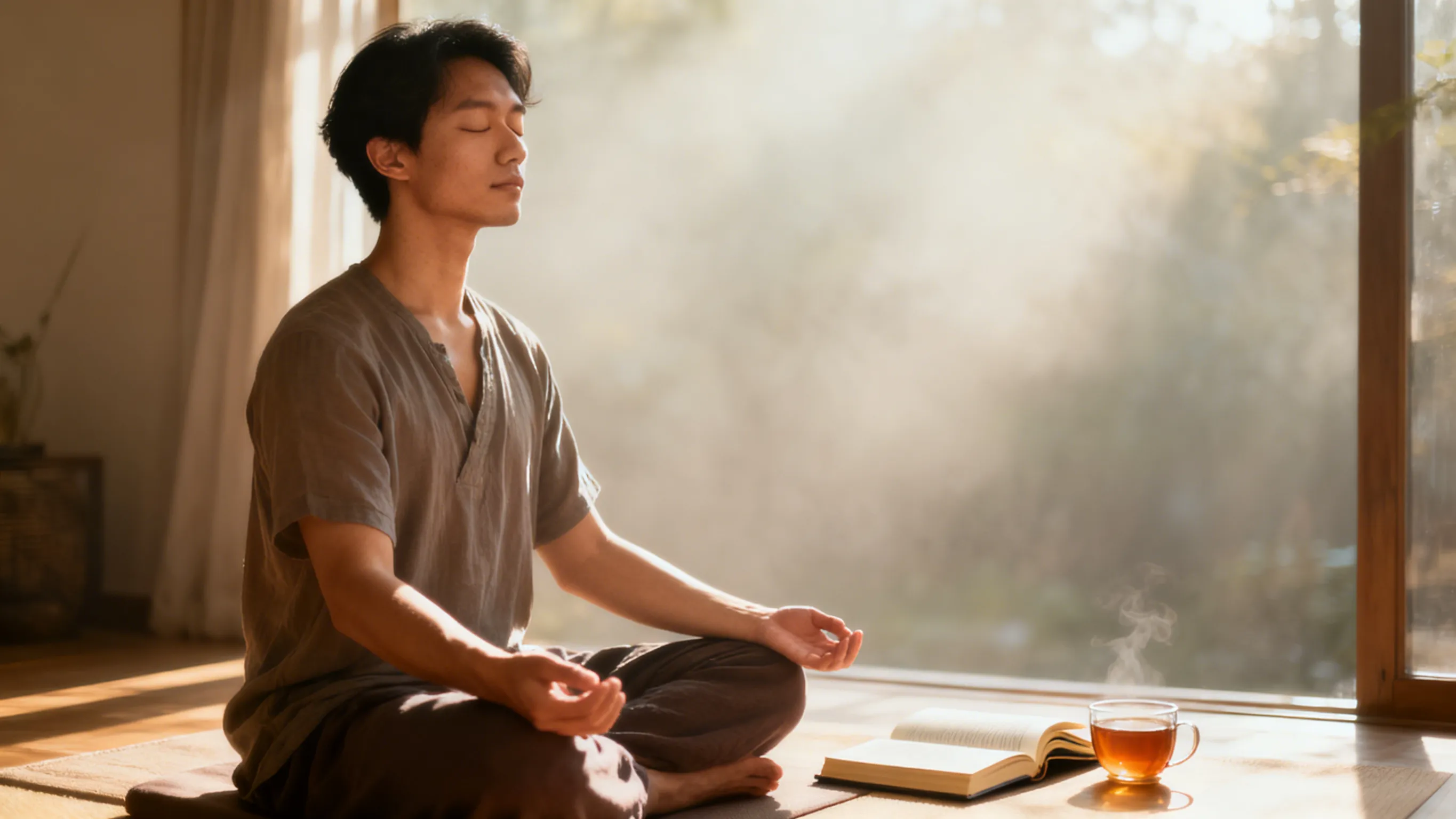
Anxiety isn’t confined to the mind; it manifests physically. Techniques like diaphragmatic breathing and progressive muscle relaxation can interrupt the stress response. A 2020 meta-analysis in JAMA Psychiatry found that yoga and tai chi lower cortisol levels by up to 30%.
Nutrition also plays a role. Emerging research links gut health to mood regulation. Foods rich in omega-3s (e.g., salmon) and probiotics (e.g., yogurt) may reduce inflammation tied to anxiety. However, nutritionist Dr. Uma Naidoo cautions, “There’s no magic bullet—balance is key.”
Loneliness exacerbates anxiety, while social support buffers its impact. Joining community groups or volunteering fosters belonging. Viktor Frankl, a Holocaust survivor and psychiatrist, wrote in Man’s Search for Meaning that finding purpose—even in suffering—can transform pain into resilience.
For some, creative outlets like art or writing provide catharsis. Others find solace in nature; Japanese practice of shinrin-yoku (forest bathing) has been shown to lower heart rate and anxiety.
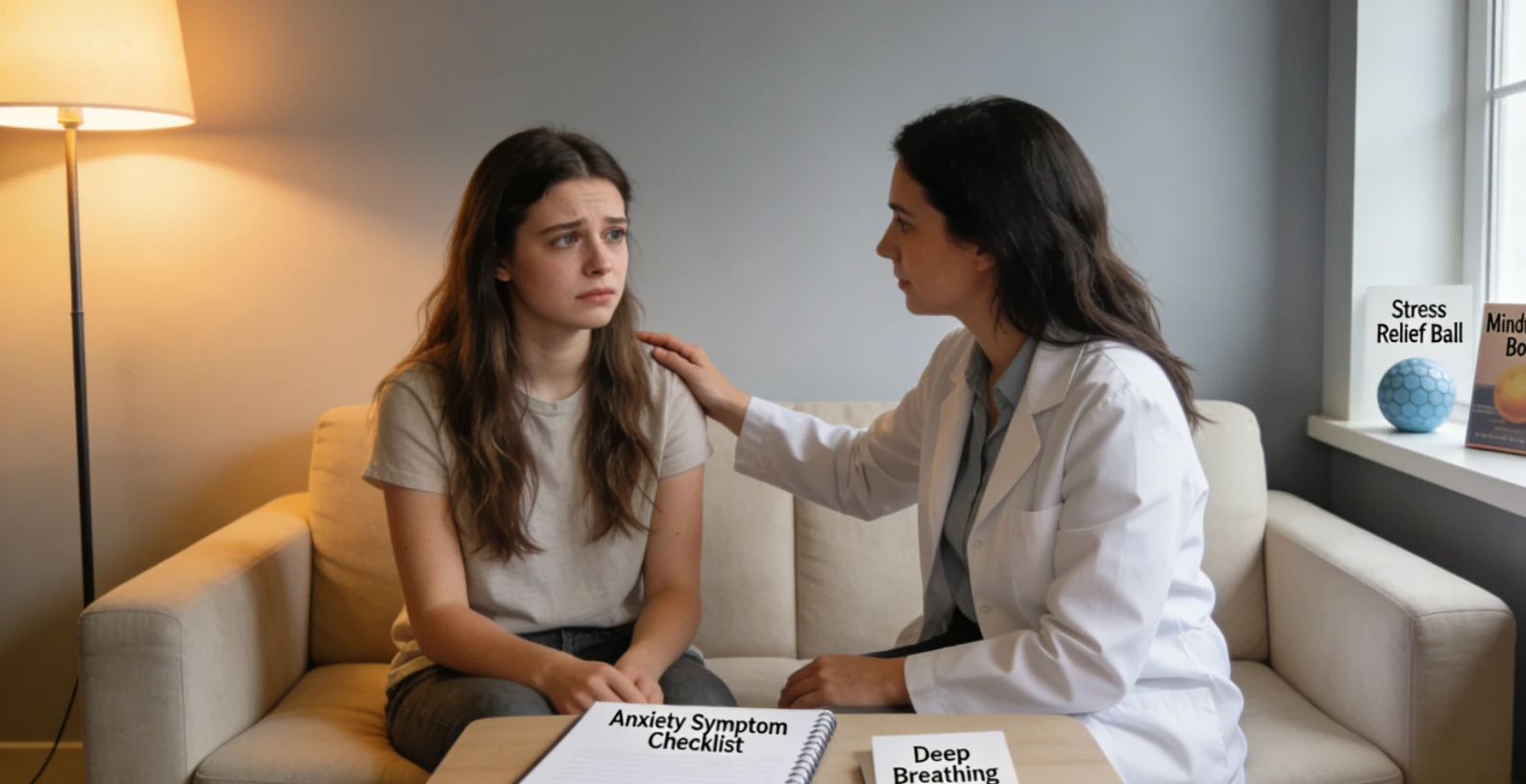
Therapy isn’t a sign of weakness but a step toward empowerment. Modalities like Acceptance and Commitment Therapy (ACT) teach individuals to coexist with anxiety rather than fight it. In severe cases, medication—such as SSRIs—may be prescribed, though experts like Dr. Peter Kramer emphasize they work best alongside lifestyle changes.
Anxiety, in many ways, is a testament to our humanity—a signal that we care deeply about our lives. Yet, it needn’t define us. By understanding its triggers and adopting multifaceted coping strategies, we can transform anxiety from a foe into a guide.
As Maria learned through therapy and mindfulness, “Anxiety was my body’s way of saying, ‘Slow down. Listen.’” Her journey underscores a universal truth: resilience isn’t about avoiding storms but learning to dance in the rain.
Perhaps the greatest lesson is that we’re not alone in this struggle. From ancient philosophers to modern scientists, the quest for equilibrium unites us. And in that shared vulnerability lies our strength.