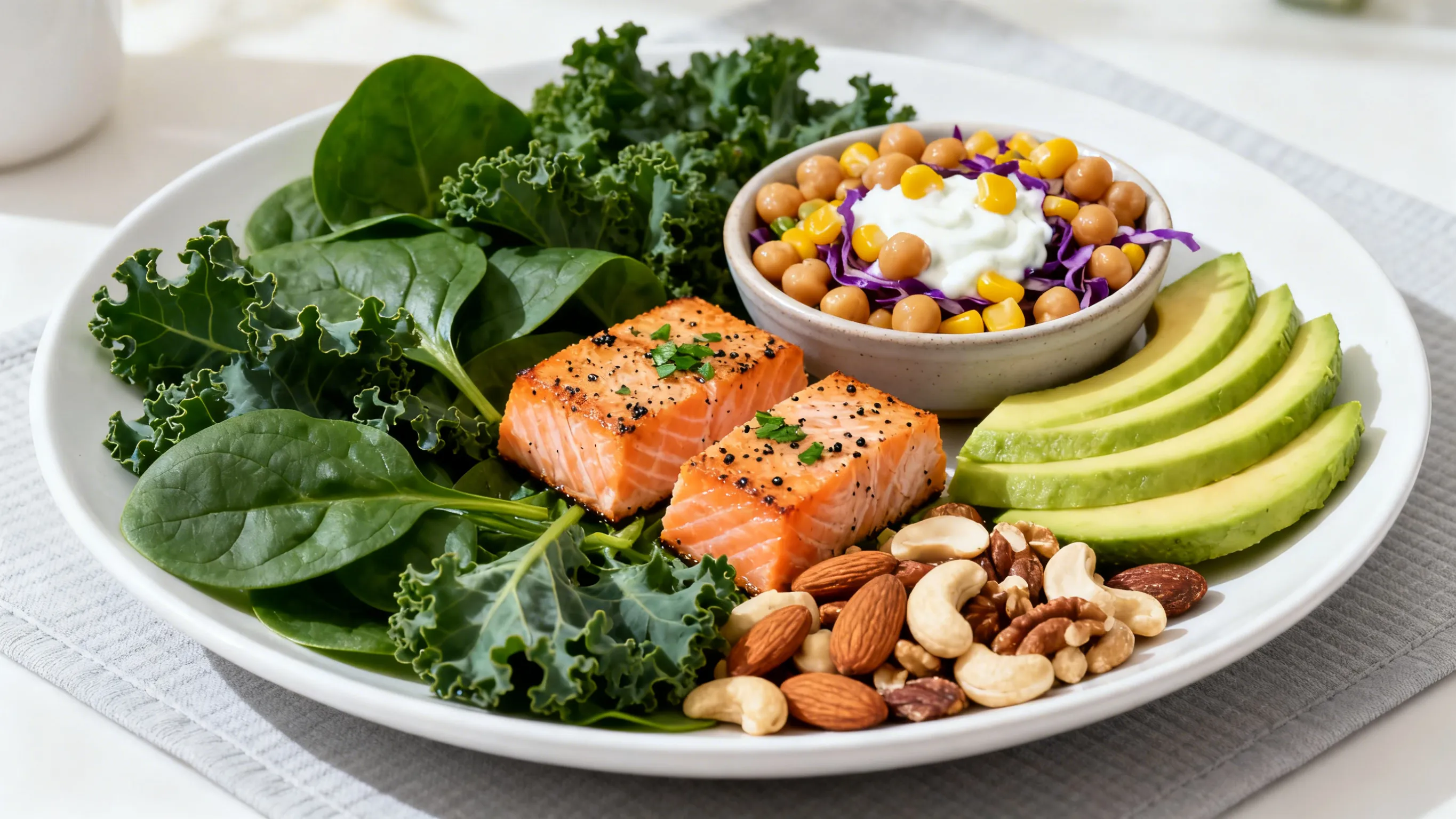


In a world where wellness trends come and go with the seasons, intermittent fasting (IF) has carved out a space that feels less like a fleeting diet and more like a lifestyle shift. Perhaps it’s the simplicity—the idea that timing, not just content, matters when it comes to nourishment. Or maybe it’s the whispers of ancient wisdom meeting modern science, suggesting that our bodies are designed for cycles of feasting and fasting. Whatever the reason, intermittent fasting has captured the imagination of millions, from Silicon Valley executives to everyday individuals seeking balance in an era of constant consumption.
But what exactly is intermittent fasting? At its core, IF isn’t about restricting what you eat, but when you eat. It cycles between periods of eating and fasting, creating windows that allow the body to tap into stored energy and initiate cellular repair processes. While the concept might sound radical in a culture that champions three square meals a day with snacks in between, some researchers argue that intermittent fasting aligns more closely with how humans evolved. Our ancestors, after all, didn’t have refrigerators or 24-hour convenience stores. They experienced periods of scarcity, and their bodies adapted to function optimally under those conditions.
When people hear about intermittent fasting, weight loss often springs to mind first. And for good reason: studies have consistently shown that IF can be an effective tool for shedding pounds. By limiting the eating window, many individuals naturally consume fewer calories without the mental strain of meticulous counting. But the benefits extend far beyond the scale.
Take autophagy, for instance—a term that has gained traction in scientific circles. Derived from Greek, autophagy means “self-eating,” and it refers to the body’s process of cleaning out damaged cells and regenerating new ones. According to Dr. Yoshinori Ohsumi, who won the Nobel Prize in 2016 for his research on autophagy, this cellular “housekeeping” is crucial for preventing diseases and slowing aging. Intermittent fasting appears to kickstart autophagy, giving the body a chance to repair itself at a microscopic level. One study published in Cell Metabolism noted that fasting for 12–16 hours can initiate this process in mice, and while human studies are still evolving, the implications are promising.
Then there’s insulin sensitivity. When we eat, especially carbohydrates, our blood sugar rises, and insulin helps shuttle glucose into cells for energy. But in a world of constant grazing, our bodies can become less responsive to insulin—a state known as insulin resistance, which is a precursor to type 2 diabetes. Intermittent fasting, by giving the pancreas a break, may improve insulin sensitivity. A 2018 review in BMJ highlighted that IF could reduce fasting insulin levels by up to 30% in some participants, though the authors cautioned that individual responses vary widely.
But it’s not just about physical health. Mental clarity is another frequently cited benefit. Many IF practitioners describe a “fasting high”—a state of sharp focus and elevated mood once the initial hunger pangs subside. Some researchers attribute this to the increase in brain-derived neurotrophic factor (BDNF), a protein that supports neuron health and cognitive function. In animal studies, intermittent fasting has been shown to boost BDNF levels, potentially protecting against neurodegenerative diseases like Alzheimer’s. Of course, human experiences are nuanced: one person might feel invigorated, while another struggles with brain fog. It’s a reminder that biology is rarely one-size-fits-all.
Intermittent fasting isn’t a monolithic regimen; it’s a flexible framework with several popular approaches. Each method offers a different structure, allowing individuals to choose what aligns with their lifestyle and goals.
The 16/8 Method
Perhaps the most accessible for beginners, the 16/8 method involves fasting for 16 hours and eating within an 8-hour window each day. For many, this means skipping breakfast and having their first meal around noon, then finishing dinner by 8 PM. It’s a rhythm that fits neatly into modern work schedules, and its popularity has been bolstered by figures like podcast host Tim Ferriss, who once remarked, “It’s not about willpower; it’s about system design.”
The 5:2 Diet
This approach, popularized by Dr. Michael Mosley, involves eating normally for five days of the week and restricting calorie intake to 500–600 calories on two non-consecutive days. The appeal here is flexibility—fasting days can be tailored to social commitments. However, some critics argue that the drastic calorie reduction on fasting days can lead to irritability or overeating on “normal” days.
Eat-Stop-Eat
Pioneered by fitness expert Brad Pilon, this method involves one or two 24-hour fasts per week. For example, you might finish dinner at 7 PM and not eat again until 7 PM the next day. While this approach can be effective, it’s also more demanding, both physically and socially. As one longtime practitioner shared, “The first few times, I felt light-headed and cranky. But now, it’s like hitting a reset button for my body and mind.”
Alternate-Day Fasting
As the name suggests, this method alternates between fasting days and regular eating days. On fasting days, some versions allow for minimal calorie intake (e.g., 500 calories), while others advocate for zero calories. A 2019 study in Obesity found that alternate-day fasting led to significant weight loss and improved cardiovascular markers, though adherence rates were lower compared to less intensive methods.
Then there are more nuanced approaches, like the Warrior Diet, which involves undereating during the day and consuming one large meal at night. Or spontaneous meal skipping, which is less structured but still embraces the ethos of IF. The key, as nutritionist Dr. Rhonda Patrick often emphasizes, is to experiment and listen to your body. “There’s no single ‘best’ method,” she says. “What works for one person might be unsustainable for another.”
Starting intermittent fasting can feel like stepping into uncharted territory. The first few days often bring hunger, fatigue, and even headaches as the body adjusts to a new energy paradigm. This phase, sometimes called the “adaptation period,” is temporary but challenging. I recall a friend’s experience: “On day three, I almost gave up. I was snapping at my coworkers and couldn’t focus. But by day seven, something shifted. I felt lighter, more alert, and the hunger pangs faded.”
It’s a common narrative, but not universal. Some people thrive from the start; others struggle for weeks. Part of the variability lies in individual metabolism, activity levels, and even genetics. Research from the Journal of the American Medical Association suggests that women, in particular, may respond differently to fasting due to hormonal sensitivities. For some, extended fasts can disrupt menstrual cycles or exacerbate stress. This isn’t to say women should avoid IF, but rather that they might benefit from less aggressive approaches, like 14-hour fasts instead of 16.
Then there’s the social dimension. Food is deeply woven into our cultural fabric—birthdays, holidays, business lunches. Navigating these events while fasting requires planning and, sometimes, compromise. One interviewee, a marketing executive, shared how she adjusts her eating window on days with client dinners. “I don’t let fasting rule my life,” she said. “If I need to shift my window, I do. The goal is consistency, not perfection.”
Long-term, the benefits can be profound, but so can the pitfalls. Without mindful eating during feeding windows, it’s possible to overconsume junk food, negating the benefits of fasting. And for those with a history of disordered eating, IF might trigger unhealthy patterns. As Dr. Satchin Panda, a leading researcher in circadian rhythms, cautions, “Intermittent fasting is a tool, not a magic bullet. It works best when combined with nutritious food and a balanced lifestyle.”
Intermittent fasting isn’t happening in a vacuum. It’s part of a broader conversation about how we relate to food, time, and our bodies. In an age of abundance, fasting offers a counter-narrative—a deliberate pause in the constant consumption cycle. It invites us to question assumptions, like the idea that breakfast is the most important meal of the day. (The evidence for that claim, it turns out, is flimsier than many realize.)
But fasting is also evolving. Recent studies are exploring its synergy with other practices, like ketogenic diets or time-restricted eating aligned with circadian rhythms. Some researchers, like Dr. Valter Longo, advocate for periodic prolonged fasts (e.g., 5-day fasts mimicking fastingIntermittent Fasting: Benefits, Methods, and What to Expect
In the bustling rhythm of modern life, where convenience often trumps conscious choices, the concept of intermittent fasting (IF) has emerged not merely as a dietary trend but as a profound lifestyle shift. It whispers a quiet rebellion against the constant availability of food, inviting us to reconsider our relationship with time, nourishment, and our own bodies. Perhaps, as some researchers suggest, this isn't a newfangled idea but a return to an ancient rhythm that our ancestors knew well—a rhythm where feasting and fasting were dictated by nature, not by the 24/7 glow of a supermarket.
When most people hear "intermittent fasting," their minds dart to weight loss. And yes, the scale often tells aIntermittent Fasting: Benefits, Methods, and What to Expect
In the bustling rhythm of modern life, the search for balance often leads us to reevaluate our relationship with food. Intermittent fasting (IF), once a niche practice, has surged into mainstream consciousness, promising not just weight management but a holistic recalibration of health. As a seasoned observer of wellness trends, I’ve watched this approach evolve from ancient traditions to a scientifically backed lifestyle. But what lies beneath the hype? Let’s unravel the layers of intermittent fasting, exploring its benefits, diverse methods, and the real-world experiences that shape its appeal.
At its core, intermittent fasting isn’t a diet in the conventional sense. It’s a pattern of eating that cycles between periods of fasting and eating, focusing on when you eat rather than what you eat. Research from institutions like Johns Hopkins University suggests that this timing can trigger metabolic shifts, such as enhanced insulin sensitivity and cellular repair processes like autophagy—a kind of “spring cleaning” for cells. Dr. Mark Mattson, a neuroscientist, notes in his studies that intermittent fasting may “promote brain health and resilience to stress,” though he cautions that individual responses vary.
Yet, the benefits extend beyond the laboratory. Many adherents report mental clarity and sustained energy, perhaps because the body, freed from constant digestion, redirects resources. One colleague, a software engineer, shared how adopting a 16:8 method (fasting for 16 hours, eating within an 8-hour window) helped her overcome afternoon slumps. “It wasn’t just about weight,” she mused. “It was about reclaiming focus in a distracted world.”
Intermittent fasting isn’t a one-size-fits-all regimen. Its flexibility is part of its charm, allowing individuals to tailor approaches to their lifestyles. Consider the 5:2 method, where you eat normally for five days and restrict calories to about 500–600 on two non-consecutive days. This method, popularized by Dr. Michael Mosley, appeals to those who prefer minimal disruption to social routines. Then there’s the Warrior Diet, which involves eating small amounts of raw fruits and vegetables during the day and one large meal at night—a pattern some argue mirrors ancestral eating habits.
But newer variations are emerging. Time-restricted eating, for instance, aligns fasting periods with circadian rhythms. A 2023 review in The New England Journal of Medicine highlighted that eating earlier in the day might optimize metabolic health, though the authors acknowledged that “long-term adherence remains a challenge for many.” This nuance is critical; what works for a night shift worker might differ vastly from an early riser.
Beyond the science, intermittent fasting is woven into personal narratives. Take Alex, a graphic designer who struggled with emotional eating. For him, the structure of IF provided a framework to break free from mindless snacking. “It taught me to distinguish between hunger and habit,” he reflected. Yet, his journey wasn’t linear—there were days of irritability and fatigue, a common initial phase as the body adapts.
Such stories underscore the importance of managing expectations. While some studies, like those cited by the Harvard T.H. Chan School of Public Health, link IF to reduced inflammation and improved heart health, others caution against potential pitfalls. For example, individuals with a history of eating disorders might find fasting triggering. As one nutritionist told me, “It’s a tool, not a magic wand.”
Adopting intermittent fasting requires mindfulness. Hydration is paramount; dehydration can masquerade as hunger, leading to unnecessary struggles. Moreover, breaking a fast wisely matters—opting for nutrient-dense foods like leafy greens or lean proteins can prevent energy crashes. Socially, fasting can be isolating if not communicated openly. One entrepreneur I interviewed schedules her eating window to overlap with family dinners, preserving connection without compromising her goals.
It’s also worth noting that IF isn’t universally endorsed. Some experts, like Dr. David Ludwig, argue that focusing solely on timing overlooks food quality. “A fast-food meal within a restricted window still lacks nutritional value,” he remarked in a recent podcast. This perspective reminds us that intermittent fasting should complement, not replace, a balanced diet.
As research advances, intermittent fasting continues to spark debate. Emerging areas include its impact on gut microbiome diversity and longevity, with animal studies showing promising results. However, human trials are still in early stages, and as one researcher from the University of California quipped, “We’re piecing together a puzzle with missing pieces.”
In my own exploration, I’ve come to see intermittent fasting as a metaphor for life’s broader rhythms—cycles of activity and rest, consumption and reflection. It invites us to question assumptions about nourishment and discipline. Perhaps its greatest gift is the space it creates for intentionality, a pause in the noise of modern consumption.
Intermittent fasting is neither a panacea nor a passing fad. It’s a nuanced practice rooted in biology and personal experience. If you’re considering it, start slowly—perhaps with a 12-hour fast—and listen to your body. Consult healthcare providers, especially if you have underlying conditions. And remember, the goal isn’t perfection but awareness. As the ancient philosopher Hippocrates once said, “Let food be thy medicine.” In today’s complex world, intermittent fasting offers a pathway to rediscover that wisdom, one meal at a time.