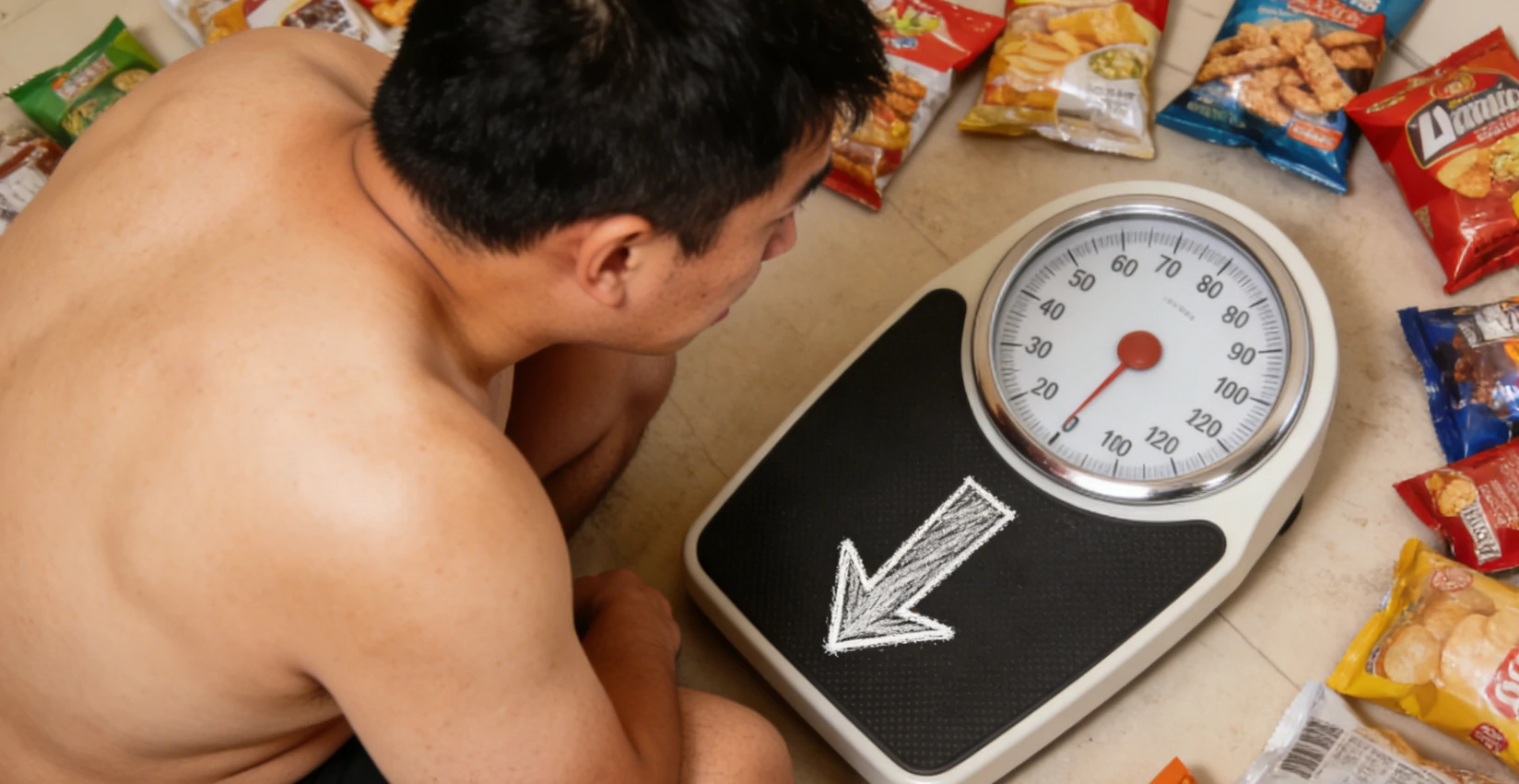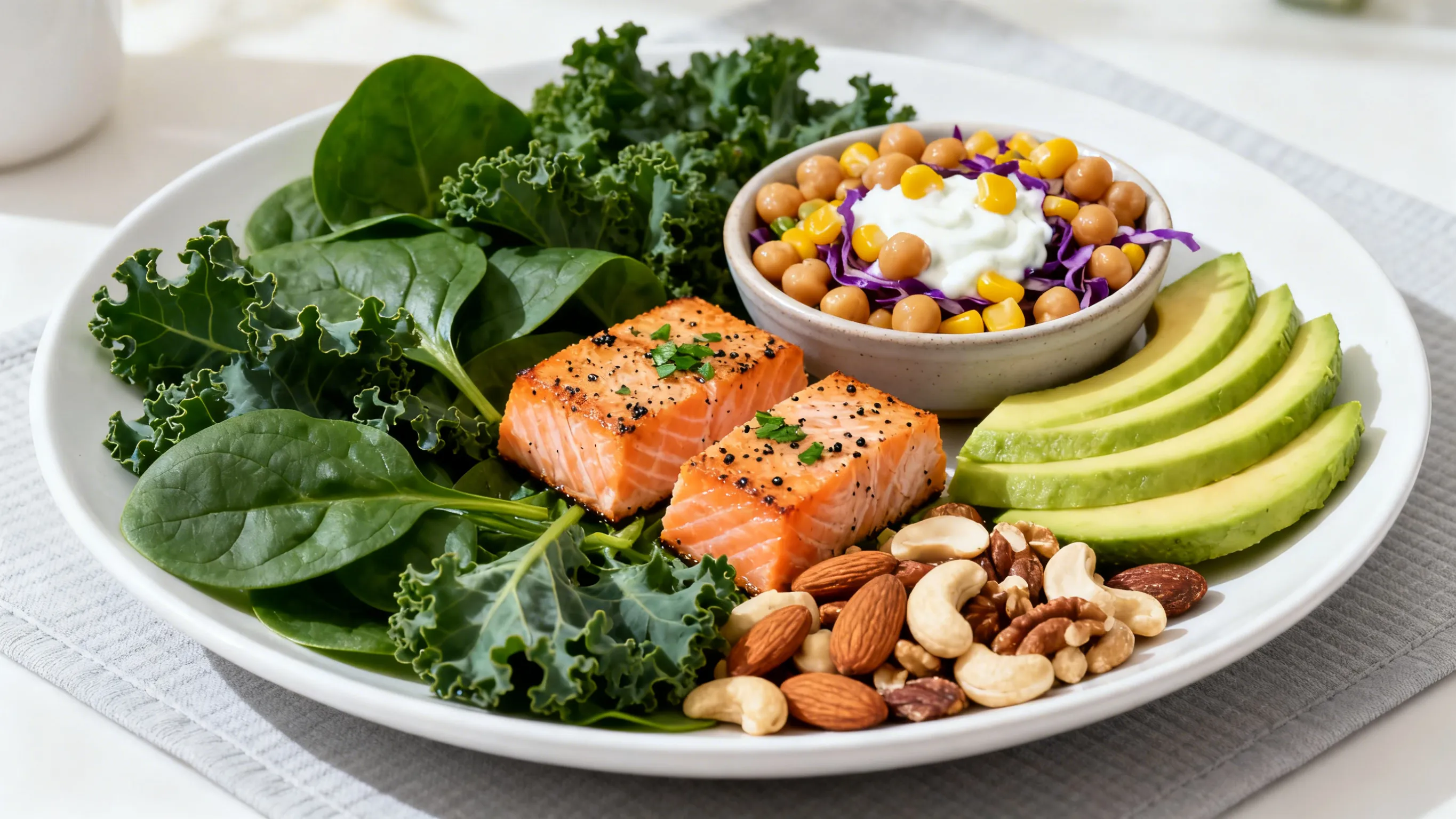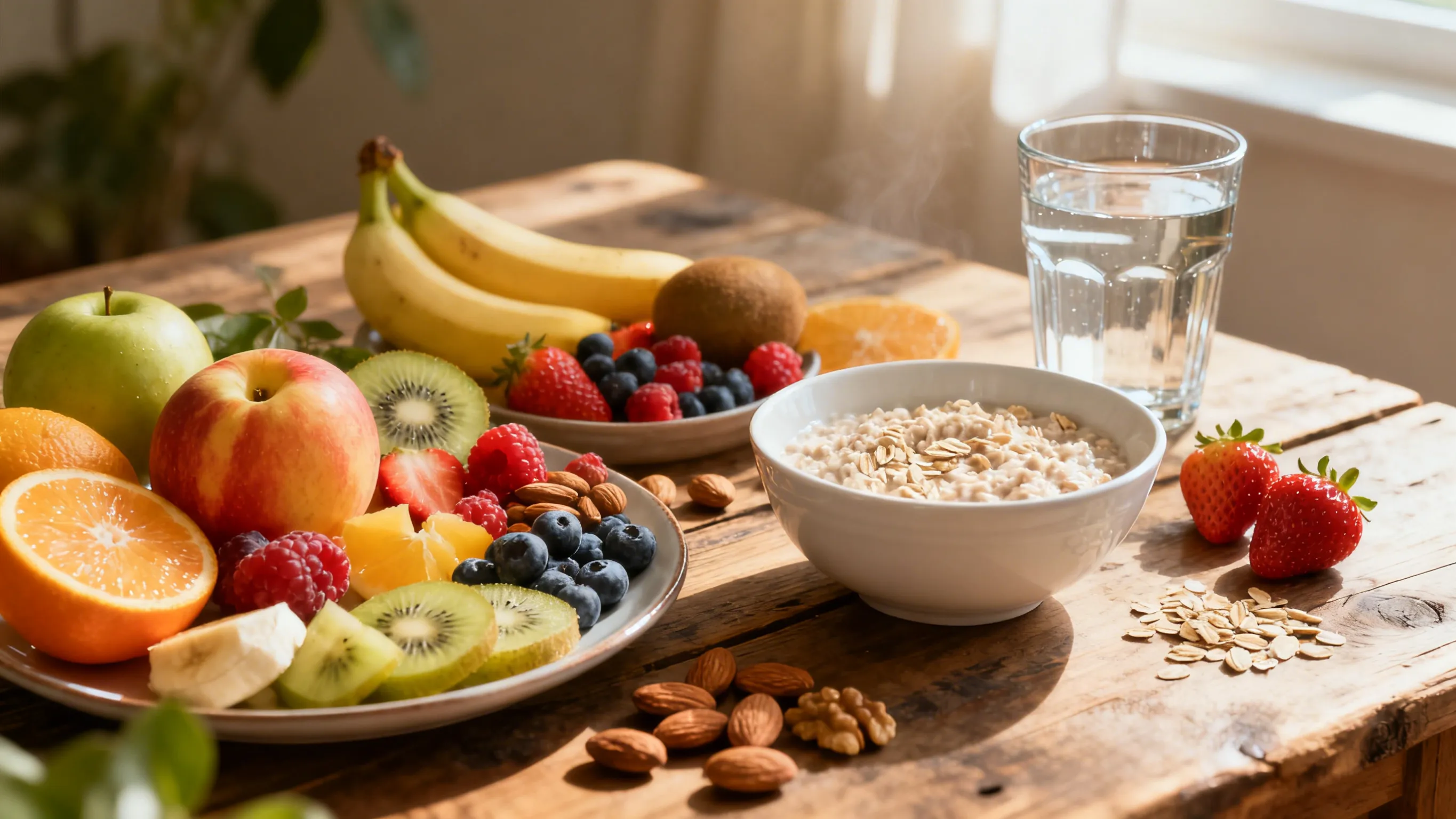


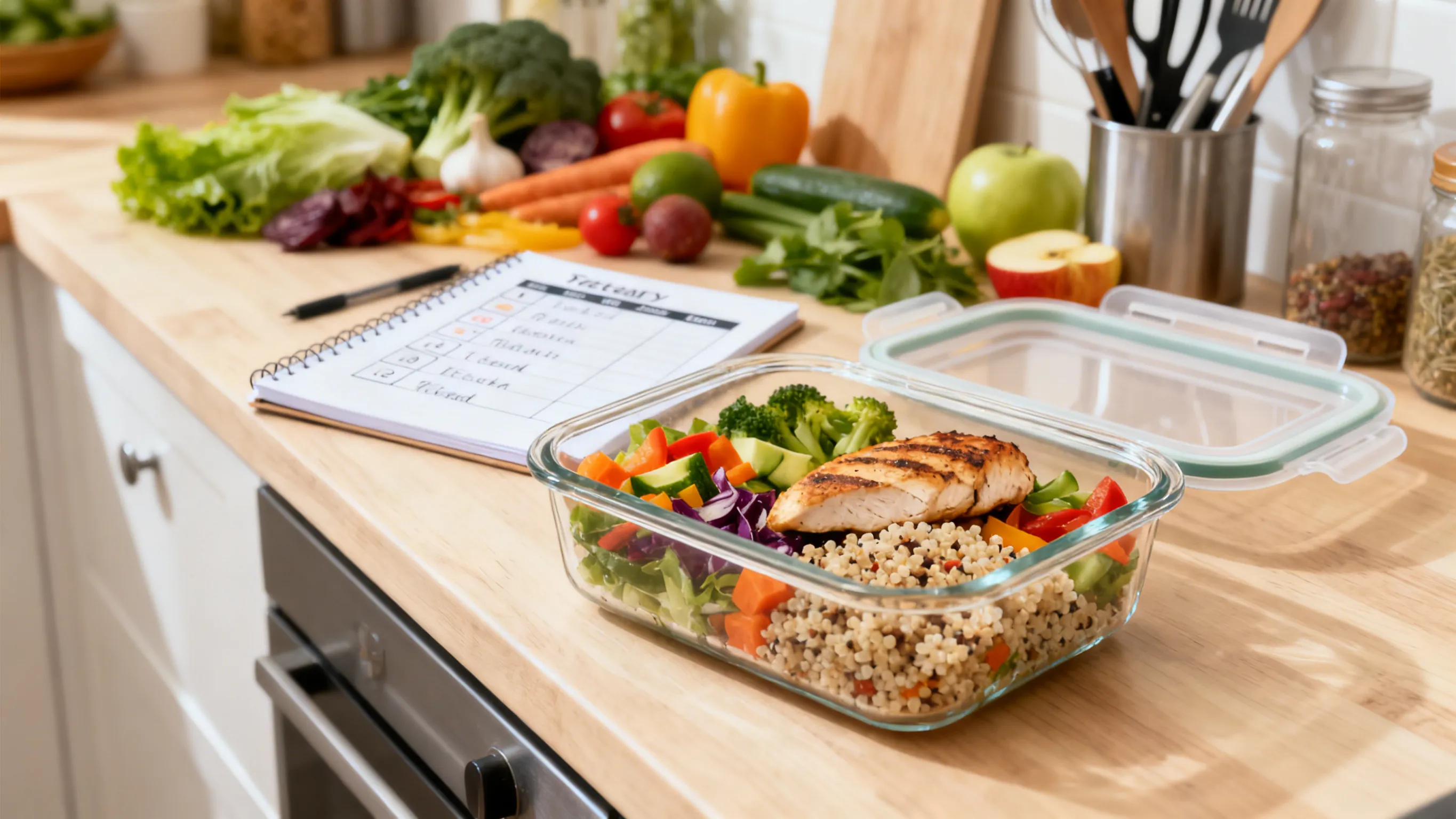
In the labyrinth of weight management, meal planning emerges not as a rigid chore but as a compass guiding us toward sustainable health. It’s a practice woven into the fabric of daily life, yet its nuances often remain unexplored. As a seasoned observer of wellness trends, I’ve noticed how meal planning transcends mere calorie counting—it’s an art form that balances science, psychology, and the rhythms of modern existence. Perhaps this is why so many stumble in their weight loss journeys; they treat meal planning as a mathematical equation, forgetting the human element that breathes life into it.
Consider Sarah, a marketing executive I interviewed last month. She described her initial foray into meal planning as a “color-coded spreadsheet nightmare.” Every Sunday, she’d spend hours plotting meals, only to abandon the plan by Wednesday when deadlines loomed. It wasn’t until she embraced flexibility—allowing for improvisation with leftovers or a last-minute salad—that the scale began to tip in her favor. Her story isn’t unique. Research from the Harvard T.H. Chan School of Public Health suggests that rigid dietary structures can backfire, leading to burnout and rebound weight gain. Instead, they advocate for what some nutritionists call “structured flexibility,” a concept that blends planning with adaptability.
The foundation of effective meal planning lies in understanding energy balance, but it’s far from the whole picture. Dr. Linda Chen, a behavioral nutritionist, once remarked in a podcast interview, “We often fixate on what to eat, but the ‘how’ and ‘when’ are equally critical.” Her words echo findings from a 2022 study published in the Journal of Nutritional Science, which highlighted that irregular eating patterns—skipping breakfast one day, overcompensating at dinner—can disrupt metabolic harmony. Part of the challenge is that our bodies aren’t machines; they respond to stress, sleep, and even social cues. For instance, a colleague of mine swears by his “mindful Mondays,” where he preps vegetable-heavy lunches to counter weekend indulgences. It’s a small ritual, yet it anchors his week.
Macronutrients—proteins, fats, and carbohydrates—often dominate weight loss conversations, but their role in meal planning is more nuanced than headlines suggest. Proteins, for example, are hailed as satiety heroes, yet over-reliance on animal sources might overlook sustainability concerns. A 2023 review in Nutrients journal noted that plant-based proteins, such as lentils or tofu, can be equally effective for weight management when paired with fiber-rich foods. Meanwhile, carbohydrates, frequently vilified, are not monolithic. As one dietitian quipped, “Comparing a sweet potato to a doughnut is like comparing a sunrise to a neon sign—both bright, but fundamentally different.” This perspective aligns with the glycemic index theory, which some researchers argue should inform meal timing. For example, consuming complex carbs earlier in the day might stabilize energy levels, though evidence remains debated.
Then there’s the emotional landscape of eating. Meal planning isn’t just about logistics; it’s a dialogue with our cravings and habits. Behavioral economists point to “decision fatigue” as a hidden saboteur. After a long day, the brain seeks shortcuts, often opting for convenience foods over pre-planned salads. To counter this, strategies like “habit stacking”—pairing meal prep with a favorite podcast—can rewire routines. I recall a friend who transformed her evenings by chopping vegetables while listening to audiobooks; over time, the association turned tedious tasks into moments of calm. Studies from the American Psychological Association support this, indicating that environmental cues, like a tidy kitchen, can enhance adherence to healthy eating.
Technology, too, has reshaped meal planning. Apps like MyFitnessPal or Yazio offer digital blueprints, but their effectiveness varies. A survey by the International Food Information Council found that while 60% of users track calories initially, only 20% sustain it beyond three months. The issue? Over-reliance on numbers can strip away intuition. As one wellness coach observed, “Apps are tools, not oracles.” Instead, blending tech with tactile methods—like a handwritten grocery list—might bridge the gap. I’ve experimented with this myself, using a notes app for recipes but keeping a magnetic whiteboard on my fridge for weekly themes: “Mediterranean Monday,” “Stir-fry Wednesday.” It’s a system that feels human, not robotic.
Sustainability extends beyond the plate to the planet. Recent data from the World Health Organization emphasizes that meal planning aligned with seasonal, local produce can reduce carbon footprints while boosting nutrient density. For urban dwellers, this might mean subscribing to a community-supported agriculture (CSA) box, which introduces variety and reduces food waste. One study in Environmental Research Letters estimated that households using meal plans with seasonal ingredients cut waste by up to 30%. It’s a reminder that weight loss and ecological consciousness aren’t mutually exclusive; they can dance in tandem.
Yet, for all its benefits, meal planning isn’t a panacea. Life’s unpredictability—a sick child, a sudden trip—can upend even the most meticulous plans. Here, self-compassion becomes vital. Psychologist Dr. Elena Torres, in a recent webinar, noted that “perfectionism in dieting often leads to guilt, which derails progress more than any missed meal.” Her research shows that individuals who forgive occasional deviations are 40% more likely to maintain weight loss. This resonates with my own observations: the most successful planners I’ve met aren’t the strictest, but the most adaptable. They see a takeout meal not as failure, but as part of life’s tapestry.
In weaving these threads together, meal planning for weight loss reveals itself as a dynamic practice. It’s a blend of science and soul, where data meets daily life. Perhaps the ultimate strategy isn’t a flawless plan, but one that bends without breaking—a guide that walks beside you, not ahead of you. As the ancient proverb goes, “The best time to plant a tree was 20 years ago; the second best is now.” In meal planning, the second-best time might be this moment, with a grocery list in hand and a heart open to imperfection.