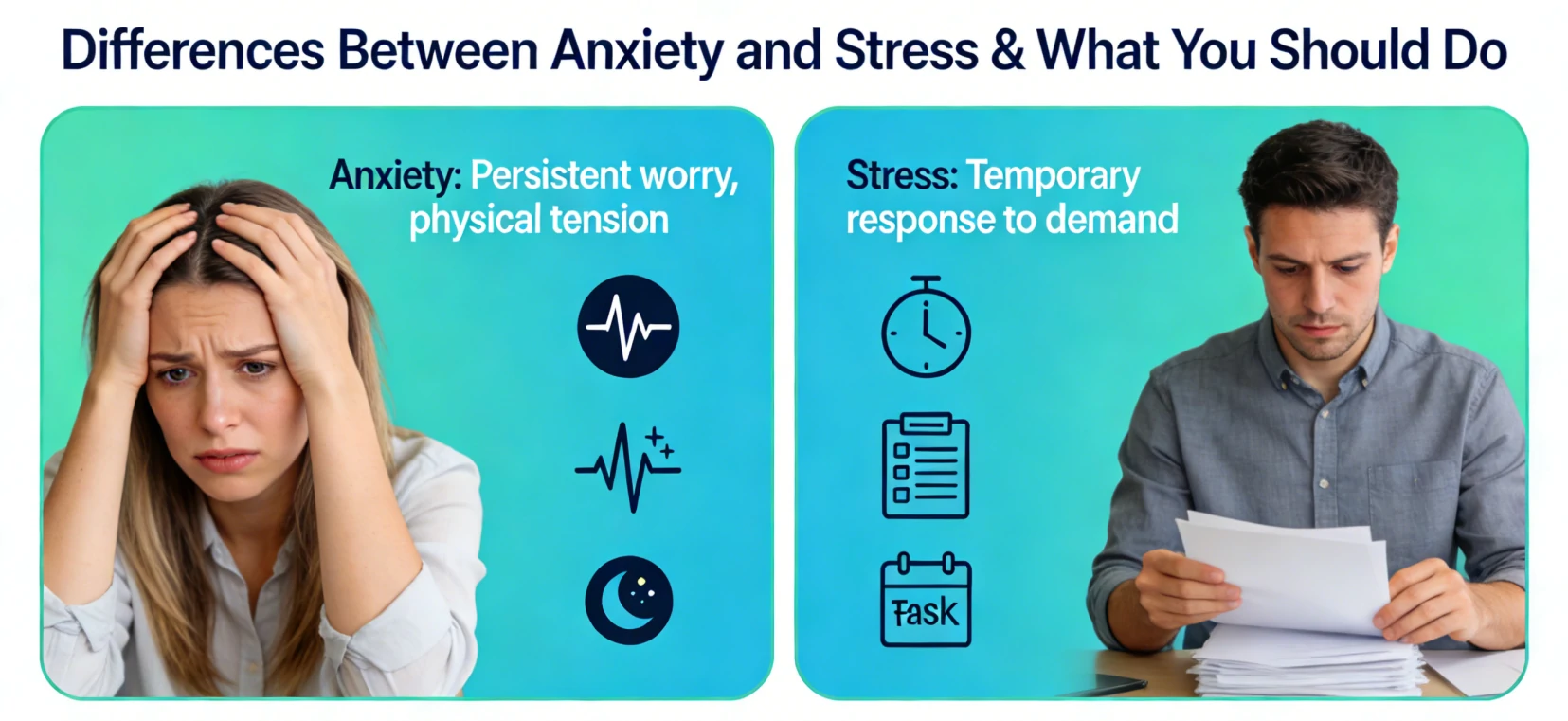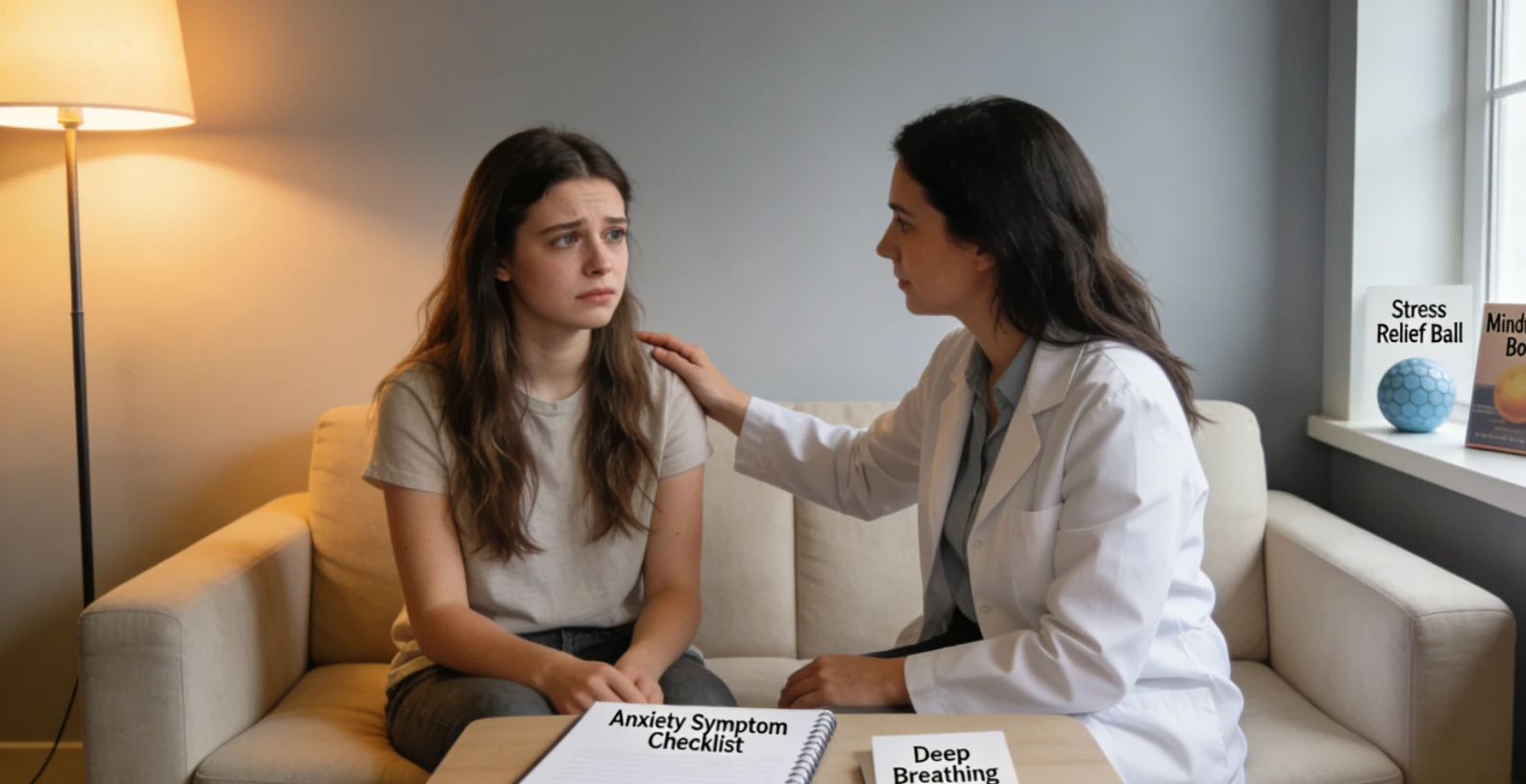



Anxiety is a familiar companion to many—a whisper of worry that can, for some, grow into a relentless roar. It’s the racing heart before a presentation, the knot in the stomach before a social gathering, or the sleepless nights spent replaying conversations. For those diagnosed with an anxiety disorder, these feelings aren’t fleeting; they’re persistent, often interfering with daily life. While therapy and lifestyle changes play crucial roles in managing anxiety, medication can be a vital component of treatment. This article delves into the world of pharmacological options for anxiety disorders, focusing on SSRIs, SNRIs, and other alternatives, while weaving in real-life experiences and the latest research.
Anxiety disorders encompass a range of conditions, from generalized anxiety disorder (GAD) and panic disorder to social anxiety and obsessive-compulsive disorder (OCD). According to the World Health Organization, anxiety disorders affect over 260 million people globally, making them one of the most common mental health challenges. Yet, despite their prevalence, misconceptions persist. Some view anxiety as a character flaw or a sign of weakness, but research indicates it’s a complex interplay of genetics, brain chemistry, and life experiences.
Take Sarah, a 34-year-old graphic designer. For years, she dismissed her constant worrying as part of her “perfectionist” personality. But when her heart would pound uncontrollably during meetings, or she’d avoid social events for fear of judgment, she realized it was more than that. “It felt like I was trapped in a cycle of what-ifs,” she recalls. “Therapy helped, but my psychiatrist suggested medication when the physical symptoms became overwhelming.”
Sarah’s story is not uncommon. For many, medication can provide the stability needed to engage fully in therapy and make lifestyle changes. But with numerous options available, how does one navigate this landscape?
Selective serotonin reuptake inhibitors, or SSRIs, are often the first medications prescribed for anxiety disorders. They work by increasing levels of serotonin, a neurotransmitter linked to mood regulation, in the brain. By blocking its reabsorption, SSRIs help maintain higher serotonin levels, which can alleviate anxiety symptoms over time.
Common SSRIs include sertraline (Zoloft), escitalopram (Lexapro), and fluoxetine (Prozac). These medications are favored for their relatively mild side-effect profiles and effectiveness. A 2022 meta-analysis published in The Lancet found that SSRIs were significantly more effective than placebos in reducing anxiety symptoms, with many patients reporting improvements within four to six weeks.
Yet, SSRIs are not a one-size-fits-all solution. Side effects like nausea, insomnia, or sexual dysfunction can occur, though they often subside after the initial adjustment period. Dr. Elena Martinez, a psychiatrist at Johns Hopkins Hospital, notes, “While SSRIs are generally well-tolerated, it’s important to monitor patients closely during the first few weeks. Some may experience increased anxiety initially, which usually dissipates.”
Consider Mark, a 42-year-old teacher diagnosed with GAD. He started taking escitalopram after his anxiety began affecting his work. “The first two weeks were rough—I felt jittery and had trouble sleeping,” he admits. “But by the third week, the constant buzz of worry quieted. It didn’t erase my anxiety, but it made it manageable.”
For those who don’t respond to SSRIs, serotonin-norepinephrine reuptake inhibitors (SNRIs) offer another avenue. Like SSRIs, they target serotonin, but they also affect norepinephrine, a neurotransmitter involved in the body’s stress response. This dual action can be particularly beneficial for individuals with comorbid depression or those experiencing physical symptoms of anxiety, such as fatigue or pain.
Venlafaxine (Effexor) and duloxetine (Cymbalta) are among the most prescribed SNRIs. A study in the Journal of Clinical Psychiatry highlighted that SNRIs can be especially effective for panic disorder and social anxiety. However, they may come with side effects like elevated blood pressure or sweating, requiring regular monitoring.
“SNRIs can be a game-changer for patients who haven’t found relief with SSRIs,” says Dr. Martinez. “But they require a collaborative approach between patient and provider to manage potential side effects.”
Lisa, a 29-year-old nurse, switched to an SNRI after an SSRI failed to alleviate her social anxiety. “I felt like I’d hit a wall with my previous medication,” she shares. “With duloxetine, I noticed a difference in how I handled stress. It wasn’t a magic pill, but it gave me the space to practice the coping skills I learned in therapy.”
While SSRIs and SNRIs are cornerstone treatments, other medications play critical roles, particularly for specific anxiety disorders or cases resistant to first-line options.
Benzodiazepines, such as alprazolam (Xanax) or clonazepam (Klonopin), provide rapid relief for acute anxiety episodes. They work by enhancing the effect of GABA, a neurotransmitter that calms the nervous system. However, their potential for dependence and withdrawal symptoms limits their long-term use. The American Psychiatric Association cautions against prescribing benzodiazepines as a first-line treatment due to these risks.
Buspirone, a non-benzodiazepine anxiolytic, offers a slower-acting alternative with a lower risk of dependence. It’s often used for GAD, though its effectiveness varies. Some studies suggest it may work best in combination with SSRIs.
Beta-blockers like propranolol are sometimes used off-label for situational anxiety, such as performance anxiety. By blocking adrenaline’s effects, they can reduce physical symptoms like trembling or a rapid heartbeat. “For a musician with stage fright or a professional facing public speaking, beta-blockers can be incredibly useful,” explains Dr. Martinez. “But they don’t address the underlying anxiety.”
Tricyclic antidepressants (TCAs) and monoamine oxidase inhibitors (MAOIs) are older classes of antidepressants that can be effective for anxiety. However, their side-effect profiles and dietary restrictions (for MAOIs) make them less commonly prescribed today.
Behind every prescription is a person navigating their unique journey with anxiety. For David, a 50-year-old engineer, benzodiazepines were a temporary lifeline during a period of intense panic attacks. “They helped me get through the worst of it, but I knew I couldn’t rely on them long-term,” he says. “They were a bridge, not a destination.”
Similarly, Maria, a 26-year-old graduate student, found a combination of medication and mindfulness practices transformative. “Taking an SSRI felt like admitting defeat at first,” she reflects. “But it allowed me to reclaim parts of my life I’d lost to anxiety.”
These stories underscore a critical point: medication is not a cure-all. It’s a tool—one that works best when integrated into a holistic treatment plan that includes therapy, lifestyle adjustments, and social support.
Research into anxiety treatments is continually evolving. Recent studies explore the potential of psychedelics like psilocybin and MDMA-assisted therapy for treatment-resistant anxiety. Early clinical trials, such as those conducted by the Multidisciplinary Association for Psychedelic Studies (MAPS), show promising results, though these treatments are not yet widely available.
Additionally, genetic testing is emerging as a way to personalize medication choices. By analyzing an individual’s genetic makeup, clinicians may better predict which medications will be most effective, reducing the trial-and-error process that many patients face.
Medication for anxiety disorders, whether SSRIs, SNRIs, or other options, can be a powerful ally in the journey toward mental wellness. Yet, it’s essential to approach treatment with realistic expectations and an understanding of the nuances involved. As Dr. Martinez aptly puts it, “Medication can quiet the noise, but therapy teaches you how to dance to the music.”
For anyone considering medication, the key is collaboration—with healthcare providers, loved ones, and oneself. It’s about finding the right balance, much like Sarah, who now describes her anxiety as a distant hum rather than a deafening roar. “It’s still there,” she says, “but it no longer defines me.”
In the end, the goal is not to eliminate anxiety entirely but to transform it from a barrier into a manageable part of life. And in that journey, medication, when used wisely, can be a guiding light.