

In the quiet hum of a Tuesday afternoon, I watched a friend pause mid-sentence, her breath catching as she scrolled through a news alert. Her shoulders tightened, her gaze distant—a familiar portrait of modern anxiety. It’s a scene repeated in homes, offices, and subway cars worldwide. Anxiety, once a sporadic visitor for many, has become a persistent tenant in our minds. Yet, emerging research and ancient wisdom alike point to a powerful, accessible remedy: mindfulness and meditation.
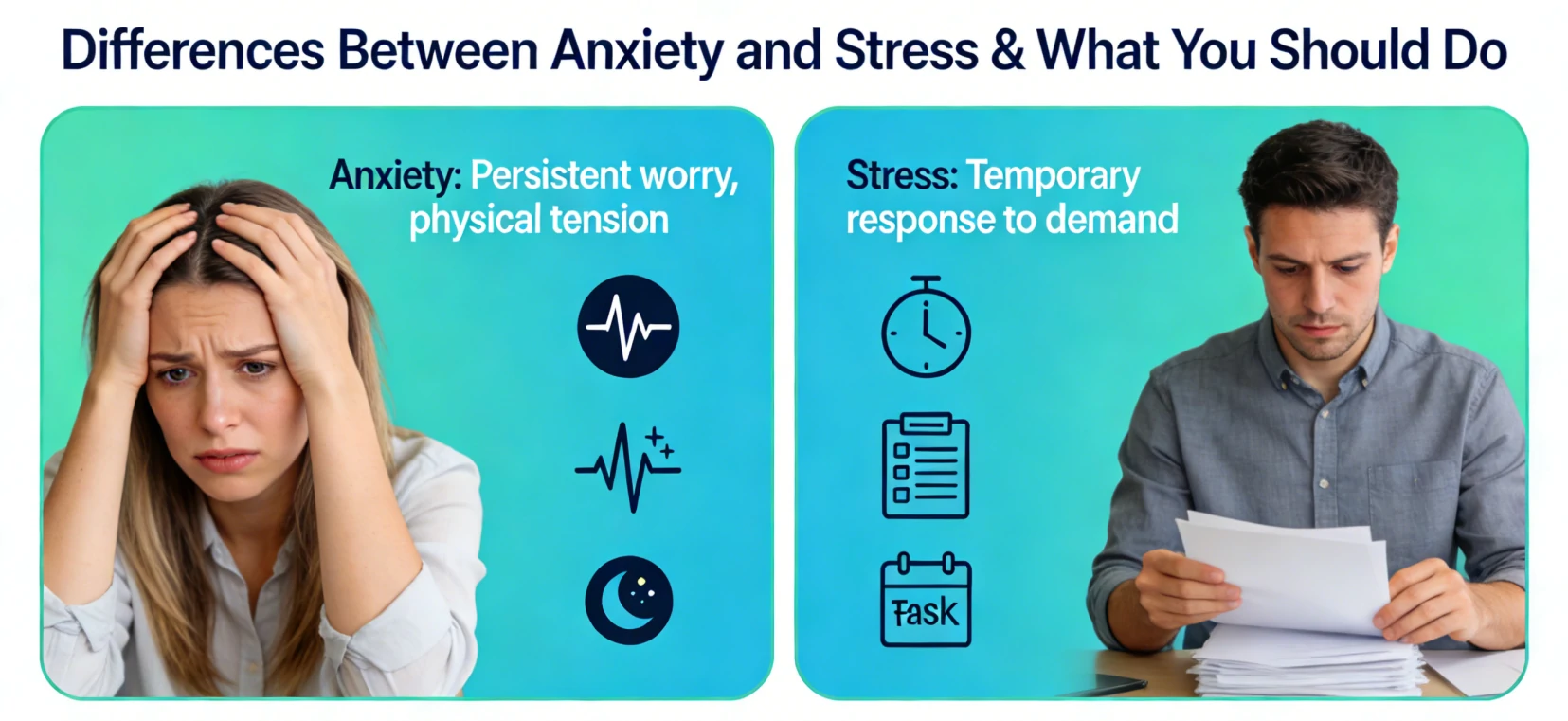
Anxiety is more than a fleeting worry. It’s a physiological and psychological response to perceived threats, often leaving individuals feeling trapped in a cycle of “what-ifs.” According to the World Health Organization, anxiety disorders affect over 260 million people globally, with numbers rising in the wake of societal shifts and digital saturation. Dr. Judson Brewer, a neuroscientist at Brown University, suggests that anxiety thrives in the gap between past regrets and future uncertainties. “Our brains are prediction machines,” he notes, “and when those predictions spiral, anxiety takes root.”
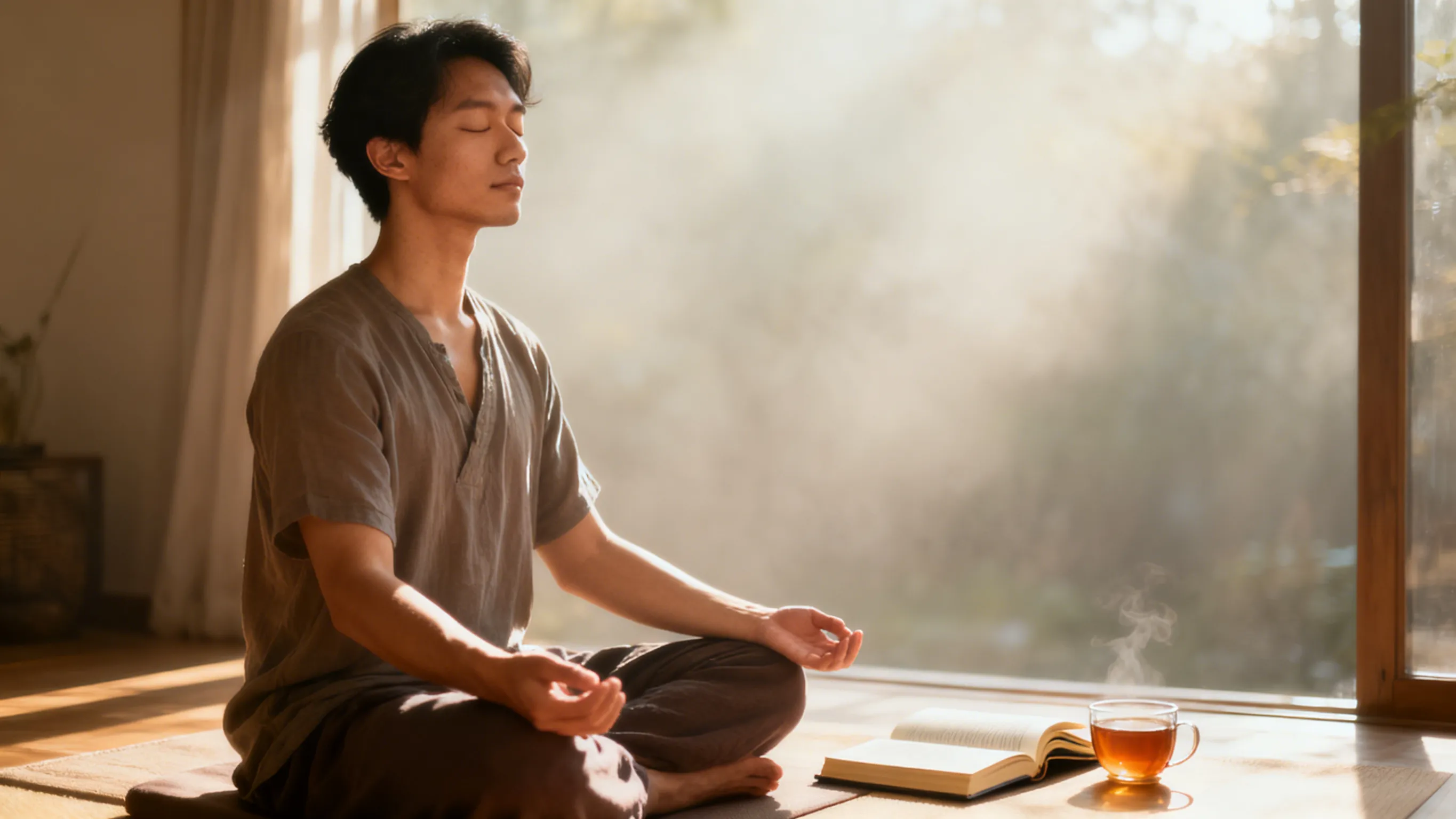
But what if we could interrupt this spiral? Studies from institutions like Harvard Medical School indicate that mindfulness—a practice of anchoring attention to the present moment—can reshape our relationship with anxiety. By turning toward our discomfort with curiosity rather than fear, we begin to dismantle its power.
Meditation, once relegated to spiritual circles, now enjoys empirical validation. MRI scans reveal that regular meditation can shrink the amygdala, the brain’s fear center, while thickening the prefrontal cortex, which governs rational decision-making. A 2021 meta-analysis published in JAMA Psychiatry found that mindfulness-based interventions reduced anxiety symptoms by moderate to large margins, rivaling some pharmaceutical treatments.
Yet, the journey isn’t about eliminating anxiety entirely. Dr. Tara Brach, a clinical psychologist and meditation teacher, reframes the goal: “It’s not about stopping the waves of anxiety but learning to surf them.” Her words echo a broader shift in mental health discourse—from combat to coexistence.
Formal meditation need not be the sole path. Small, intentional practices can weave mindfulness into the fabric of our routines:
Consider Maria, a nurse in Madrid who battled anxiety during the pandemic’s peak. She began practicing “loving-kindness” meditation, silently repeating phrases like, “May I be safe, may I be peaceful.” Over weeks, she noticed a shift: “The fear didn’t vanish, but it lost its sharp edges. I could hold space for my patients without drowning in their pain.”
Or Alex, a software engineer in Tokyo, who combined walking meditation with his lunch breaks. “At first, it felt silly,” he admits. “But soon, I started noticing cherry blossoms I’d rushed past for years. Anxiety shrinks when wonder expands.”
Mindfulness isn’t a panacea. Some days, focus eludes us; other days, emotions surge too fiercely to observe calmly. Experts like Dr. Dan Harris, author of 10% Happier, advise starting small—even one minute daily—and leveraging apps like Insight Timer or Headspace for guidance. “The goal is progress, not perfection,” he emphasizes.
Moreover, cultural nuances matter. Research from the University of Hong Kong suggests that mindfulness practices may need tailoring to individual backgrounds. For instance, collective-oriented societies might benefit from group meditations, while individualists may prefer solitary reflection.
Modern mindfulness draws from diverse roots: Buddhist Vipassana, Jewish Hitbodedut, and Christian contemplative prayer, among others. Yet, its core transcends dogma. As Jon Kabat-Zinn, founder of Mindfulness-Based Stress Reduction, writes, “It’s about falling awake.” This universality may explain its growing appeal—from corporate boardrooms to refugee camps.
Anxiety may be part of the human condition, but it need not define our lives. By embracing mindfulness, we cultivate what poet Mary Oliver called “our one wild and precious life”—not by erasing discomfort, but by meeting it with grace.
Perhaps the greatest lesson lies in acceptance. As a Zen proverb reminds us, “You can’t stop the waves, but you can learn to swim.” In a world of constant motion, the practice of stillness becomes both refuge and revolution.