


The gleaming aisles of health food stores and the infinite scroll of online supplement retailers present a modern paradox of abundance. We are told we need more—more vitamins, more minerals, more of some elusive compound promising vitality—yet this very plenty breeds confusion. How does one choose a fish oil capsule from a wall of nearly identical bottles? Is the premium-priced magnesium truly different from the standard version? The quest for wellness through supplementation has moved from the fringe to the mainstream, yet the path to making an intelligent, personal choice remains shrouded in marketing fog and contradictory advice. This isn't about finding a universal "best" but about discovering what is "best for you"—a nuanced journey that blends science, self-awareness, and a healthy dose of skepticism.
Our journey must begin by dismantling the most common, and perhaps most perilous, starting point: peer or trend-driven consumption. I recall a conversation with a friend, an otherwise rational tech executive, who had amassed a small pharmacy of supplements on his kitchen counter. "This one for brain fog, this one for sleep, this green powder because my trainer said it's life-changing," he explained, pointing at a lineup of jars with sleek, minimalist labels. When asked about his diet or if he had discussed these with a doctor, he shrugged. "I eat okay. And my blood work last year was fine." His regimen, a patchwork of solutions seeking problems, is emblematic of a widespread approach. As Dr. Joanne Slavin, a professor of food science and nutrition at the University of Minnesota, has often noted, "Supplements are meant to supplement the diet, not replace a pattern of poor eating or serve as a magic bullet for a lifestyle issue." The first, and most critical, step is to anchor your exploration not in what others are taking, but in the specific context of your own life.
This context is built on a tripod of factors: Diet, Lifestyle, and Objective Data. Before considering a single capsule, conduct an honest audit. Does your diet consistently lack certain food groups? Are you a strict vegan who might need to pay attention to B12 and iron, or someone who never sees the sun in a northern climate, potentially requiring vitamin D? A 2022 review in Nutrients journal highlighted that while population-level deficiencies in some nutrients are rare in developed nations, suboptimal levels and specific at-risk groups are common. Lifestyle factors are equally telling. The intense athlete, the perpetually stressed executive, the new mother—each has physiological demands that a standard diet might not fully meet. Finally, objective data, primarily from a healthcare provider, is invaluable. "A simple blood test can reveal a lot," a general practitioner told me during an interview, preferring to remain anonymous as she was not authorized to speak publicly. "We often see patients supplementing with iron for fatigue when their levels are actually high, or megadosing vitamin D without need. It's not just about deficiency; it's about avoiding excess."
Armed with a personalized reason to consider a supplement, you now face the marketplace. Here, the label is your first line of defense and your greatest source of confusion. The terminology is a minefield: "natural," "chelated," "whole-food," "pharmaceutical grade." Let's demystify.
Form and Bioavailability: This is perhaps the most technical but crucial aspect. Not all forms of a nutrient are created equal. Magnesium, for instance, comes as citrate, glycinate, oxide, and more. Magnesium oxide is cheap and has a high elemental magnesium content, but its bioavailability—the amount your body can actually absorb and use—is notoriously poor. It’s often used as a short-term laxative. Magnesium glycinate, however, is highly bioavailable and renowned for its calming effects. Similarly, the form of vitamin B12 (cyanocobalamin vs. methylcobalamin) and iron (ferrous sulfate vs. bisglycinate) can dramatically affect tolerability and efficacy. A 2021 meta-analysis in Advances in Nutrition concluded that the chemical form of a mineral supplement is a primary determinant of its absorption and gastrointestinal side effects. Don't just look at the milligram count; research the form.
Ingredients and Additives: Flip the bottle and read the "Other Ingredients." This is where purity is tested. Some fillers, binders, and flowing agents are harmless (like rice flour or vegetable cellulose), while others might be undesirable for certain individuals. Magnesium stearate, for instance, is ubiquitous but controversial, with some alternative health circles claiming it suppresses immune function—a claim largely dismissed by toxicological studies but one that persists. More concretely, look for potential allergens like soy, gluten, or dairy derivatives. The cleanest labels have the shortest "other ingredients" lists.
Third-Party Certification: This is your independent seal of quality assurance. Because the supplement industry is notoriously under-regulated (falling under the DSHEA act of 1994 in the U.S., which places the burden of safety proof on the FDA after a product is marketed), third-party verifiers step in. Look for seals from USP (United States Pharmacopeia), NSF International, or ConsumerLab.com. These organizations test for what’s on the label: they verify ingredient accuracy, potency, and the absence of specific contaminants like heavy metals or microbial pathogens. A study published in the Journal of the American Medical Association in 2023 found that supplements bearing these third-party verification seals were significantly more likely to contain the ingredients and amounts listed on their labels compared to those without. It’s not a guarantee of efficacy, but it is a robust guarantee of basic integrity.
Perhaps the most overlooked aspect of supplementation is the interplay between nutrients. Our body is not a series of isolated test tubes; it’s a complex, interconnected ecosystem. Introducing one element can enhance or inhibit the absorption and function of another.
Synergistic Pairs: Some nutrients work best as a team. The classic example is Vitamin D and Vitamin K2. Vitamin D enhances calcium absorption from the gut, but it doesn't direct where that calcium goes. Vitamin K2 acts as a traffic cop, ushering calcium into bones and teeth and away from soft tissues like arteries. Taking high-dose D without K2 has, in some observational studies, been associated with increased vascular calcification risk. Another powerful duo is Iron and Vitamin C. Ascorbic acid (vitamin C) significantly boosts the absorption of non-heme iron (the form found in plants and supplements), making it a smart pairing, especially for vegetarians. Then there’s the B-Vitamin Complex. B vitamins often work in concert in energy metabolism and neurological function. While a specific deficiency might call for a high dose of one (like B12 for pernicious anemia), a balanced B-complex is generally a more physiological approach for general support.
Antagonistic Interactions: Conversely, some combinations can work against you. Calcium and Iron, when taken simultaneously, compete for absorption pathways. It’s often recommended to take them at least two hours apart. High-dose Zinc, taken long-term, can induce a copper deficiency by blocking its absorption. This isn't to incite fear but to promote mindfulness. As renowned biochemist and author Dr. Shawn Talbott has remarked, "Nutrients have conversations with each other inside us. When we supplement blindly, we risk creating a lot of noisy, unproductive chatter instead of fostering a harmonious dialogue."
This principle extends to medication. Ginkgo biloba, a popular herb for cognitive support, can thin the blood, posing a risk for those on anticoagulants like warfarin. St. John’s Wort, used for mild depression, is infamous for speeding up the liver's metabolism of a vast array of pharmaceuticals, from birth control pills to antidepressants, rendering them less effective. The rule is absolute: always, always inform your doctor and pharmacist about every supplement you are taking.
After navigating science, bioavailability, and interactions, we arrive at the less quantifiable, but no less important, factors. Who are you buying from? A brand's reputation, its commitment to transparency, and its ethical sourcing matter. In an era of greenwashing, some companies invest in traceability—knowing exactly which farm their turmeric came from or which fishery sourced their omega-3s. Others use vague claims like "sustainably sourced" without evidence. Investigate. Read the "About Us" section. Do they share details about their manufacturing processes (many reputable brands use cGMP facilities—current Good Manufacturing Practices)? Do they engage in third-party testing and make the certificates of analysis (CoAs) available upon request?
Then, there is the subjective element—the "feel" factor. This is not about placebo, though the placebo effect is a powerful and real component of health. It’s about noticing subtle shifts. Perhaps you start a high-quality magnesium glycinate supplement and, after a week, realize the background hum of anxiety has quieted and your sleep is more solid. Or you introduce a probiotic and notice improved digestion. Keep a simple journal. Note what you take, the dose, and any positive or negative changes in energy, mood, sleep, digestion, or skin. The body gives feedback. A reputable naturopath I spoke with in Portland emphasized this: "We use labs as a map, but the patient's lived experience is the territory. If a well-chosen supplement makes you feel noticeably better in a way that aligns with its known functions, that's meaningful data. Conversely, if it causes discomfort, your body is saying something. Listen."
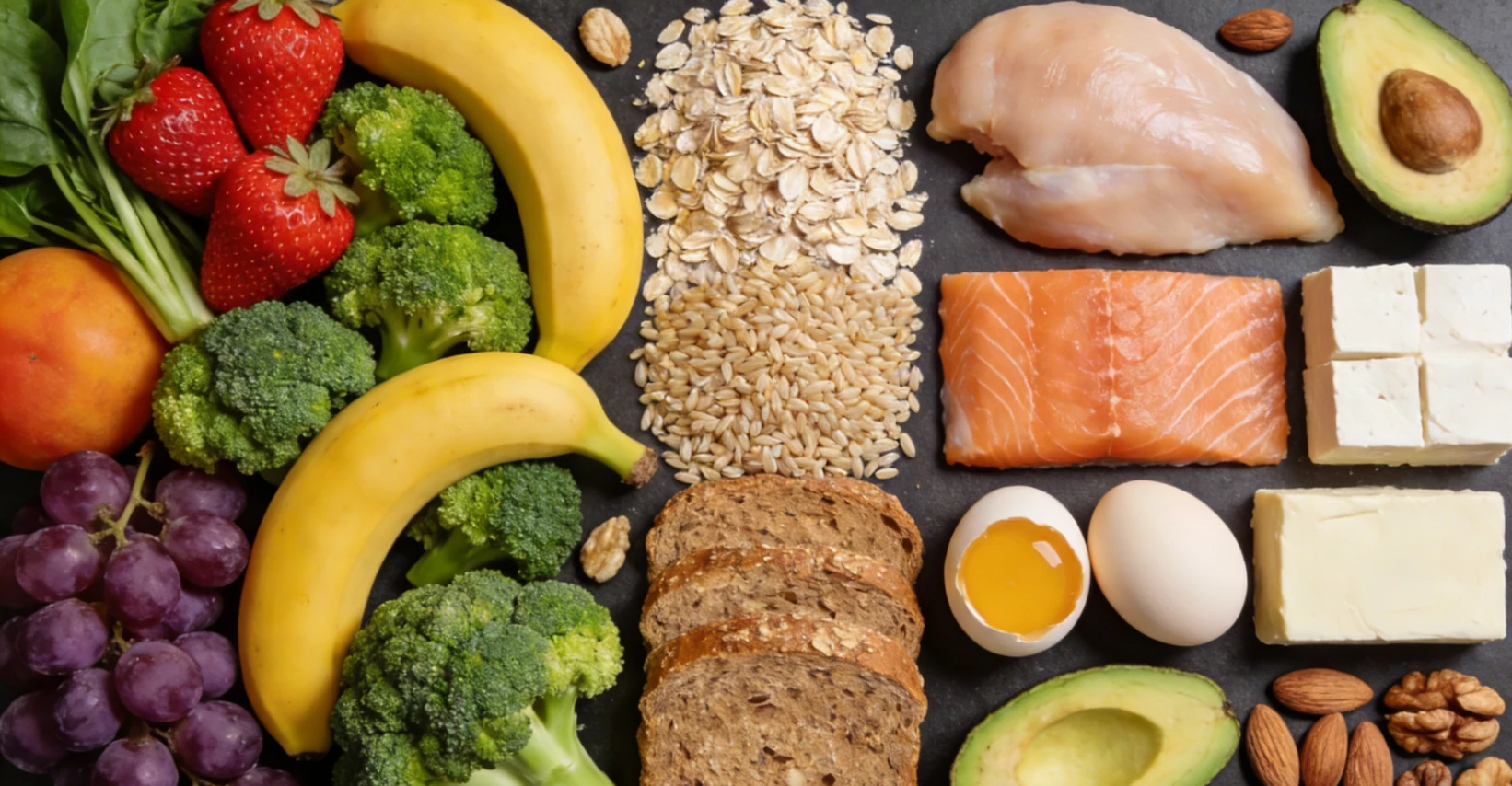
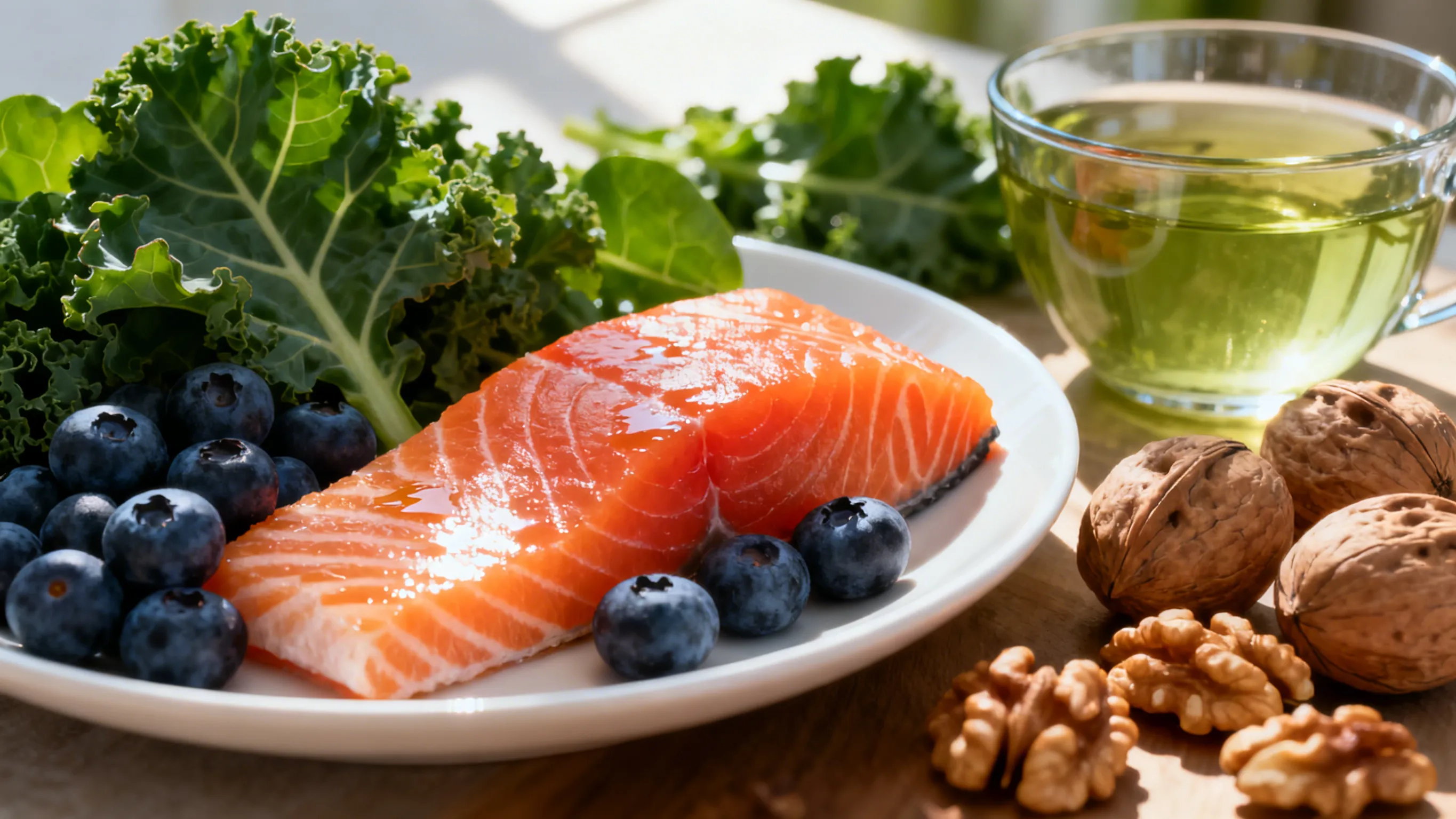
In our enthusiasm, we must circle back to the principle of parsimony: the simplest effective solution is often the best. The most powerful "supplement" strategy of all is a diverse, nutrient-dense, whole-foods diet. A rainbow of vegetables, quality proteins, healthy fats, and complex carbohydrates provides not just vitamins and minerals in their naturally synergistic packages, but also thousands of phytochemicals, fibers, and enzymes that pills cannot replicate. As author and food activist Michael Pollan succinctly puts it, "Don't eat anything your great-grandmother wouldn't recognize as food." This diet-first approach builds a resilient foundation.
Supplementation, then, should be strategic—a targeted way to address specific gaps, heightened demands, or clinically identified insufficiencies that diet alone cannot correct. It is a scalpel, not a shovel. The allure of the quick fix is strong, but the reality of health is that it is built daily, through consistent, mindful choices. The right supplement for you won’t be found in a viral TikTok video or on the shelf of the most persuasive influencer. It will be found at the intersection of your unique biology, your honest self-assessment, and rigorous, evidence-based information.
In the end, choosing a nutritional supplement is an exercise in personal responsibility and educated discernment. It requires us to be both student and subject, to engage with science while honoring our individual experience. By moving beyond the noise of the market and into the quiet space of informed self-inquiry, we transform supplement selection from an act of consumerism into an integral part of a conscious, proactive approach to well-being. The goal is not to live in a bottle, but to use these tools judiciously to support a life lived fully, vibrantly, and well-nourished from the ground up.