


In the quiet corners of everyday life, hidden behind bright smiles and busy schedules, a silent struggle often unfolds. Bulimia nervosa, a complex and often misunderstood eating disorder, doesn’t always announce itself with dramatic flair. Instead, it thrives in secrecy, wrapped in shame and societal pressure. For many, the journey begins innocently—a desire to lose a few pounds, to fit into an old pair of jeans, or to meet an idealized standard of beauty. But what starts as a quest for control can spiral into a cycle of bingeing and purging that consumes both body and mind.
Bulimia is more than just an eating disorder; it’s a psychological battle fought behind closed doors. The signs are often subtle, easily dismissed as quirks or phases. Yet, for those who know what to look for, the patterns emerge with startling clarity.
Take Sarah, a 28-year-old marketing executive. To her colleagues, she is the picture of success—energetic, driven, and always put together. But at home, her life tells a different story. After a long day, she often finds herself standing in front of the refrigerator, consuming large quantities of food in what feels like a trance. Later, she retreats to the bathroom, the sound of running water masking the evidence of her purge. For Sarah, this cycle isn’t about hunger or satisfaction; it’s a temporary escape from the pressure to be perfect.
Sarah’s experience reflects the hallmark symptoms of bulimia: recurrent episodes of binge eating, followed by compensatory behaviors like self-induced vomiting, misuse of laxatives, or excessive exercise. These behaviors are often accompanied by a pervasive sense of guilt and shame, driving the cycle to repeat.
But the physical signs are only part of the story. Emotionally, individuals with bulimia may exhibit intense mood swings, social withdrawal, or an obsessive focus on body shape and weight. As Dr. Linda Lee, a clinical psychologist specializing in eating disorders, notes, “Bulimia is not just about food. It’s about using food to cope with emotions that feel too overwhelming to confront.”
The side effects of bulimia extend far beyond the scale. While the disorder often begins as a means of control, it ultimately robs individuals of their health, vitality, and peace of mind.
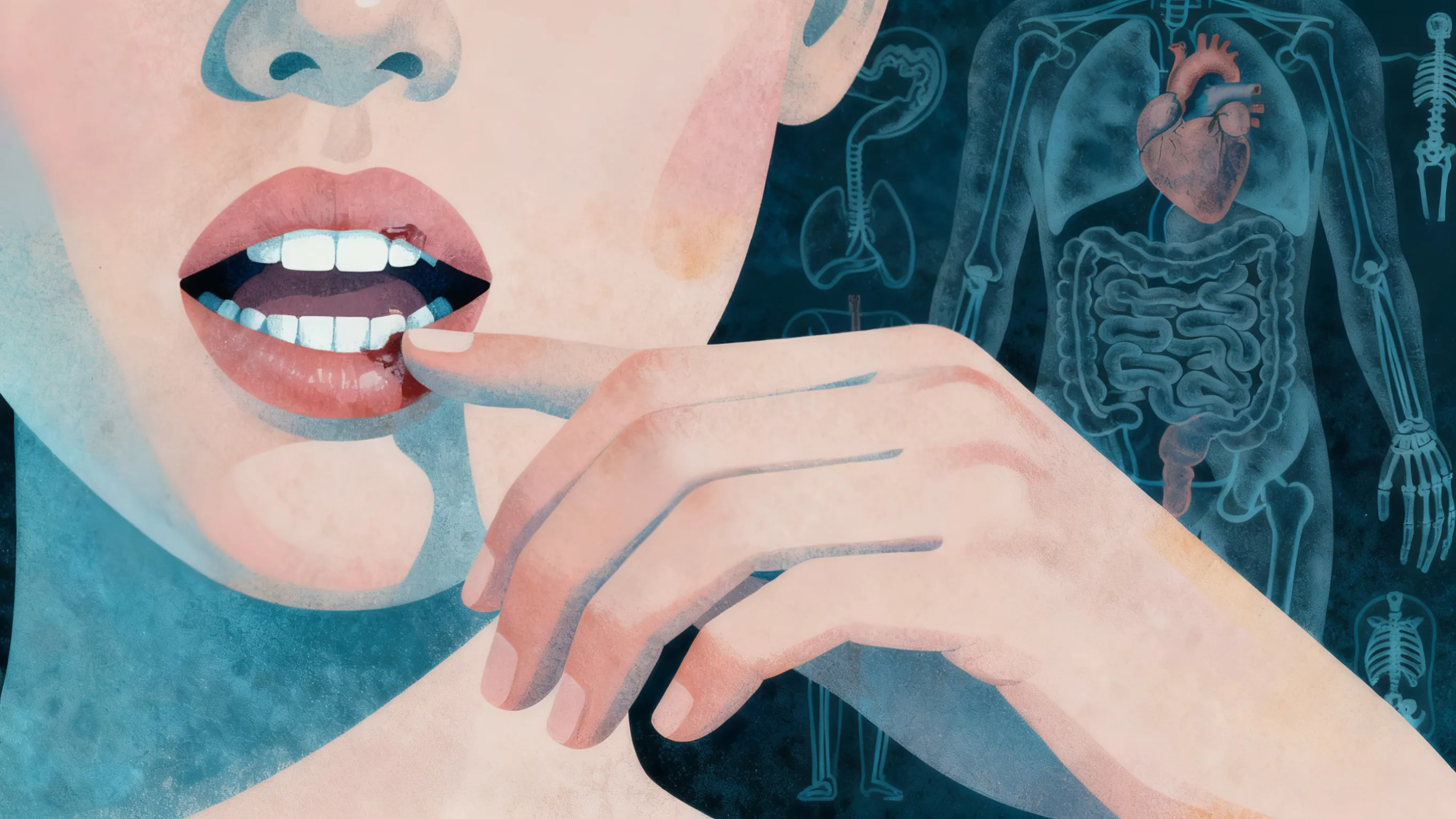
Physically, the toll is staggering. Frequent purging can lead to electrolyte imbalances, which may cause heart arrhythmias or even sudden cardiac arrest. Dental erosion, a result of stomach acid repeatedly passing through the mouth, is another common consequence. One study published in the Journal of Eating Disorders found that nearly 90% of individuals with bulimia experience significant dental damage, a silent testament to their suffering.
Then there are the digestive issues—bloating, constipation, and gastric reflux—that become a daily reality. For some, the damage is irreversible. Emily, a 35-year-old teacher who has been in recovery for five years, recalls the moment her doctor informed her that years of laxative abuse had permanently altered her digestive system. “I thought I was in control,” she says, “but in the end, my body paid the price.”
Psychologically, the impact is equally profound. Depression, anxiety, and substance abuse frequently co-occur with bulimia. The shame associated with the disorder often isolates individuals, making it harder to seek help. According to the National Eating Disorders Association (NEDA), nearly 30% of those with bulimia also struggle with substance abuse, a statistic that underscores the depth of their emotional pain.
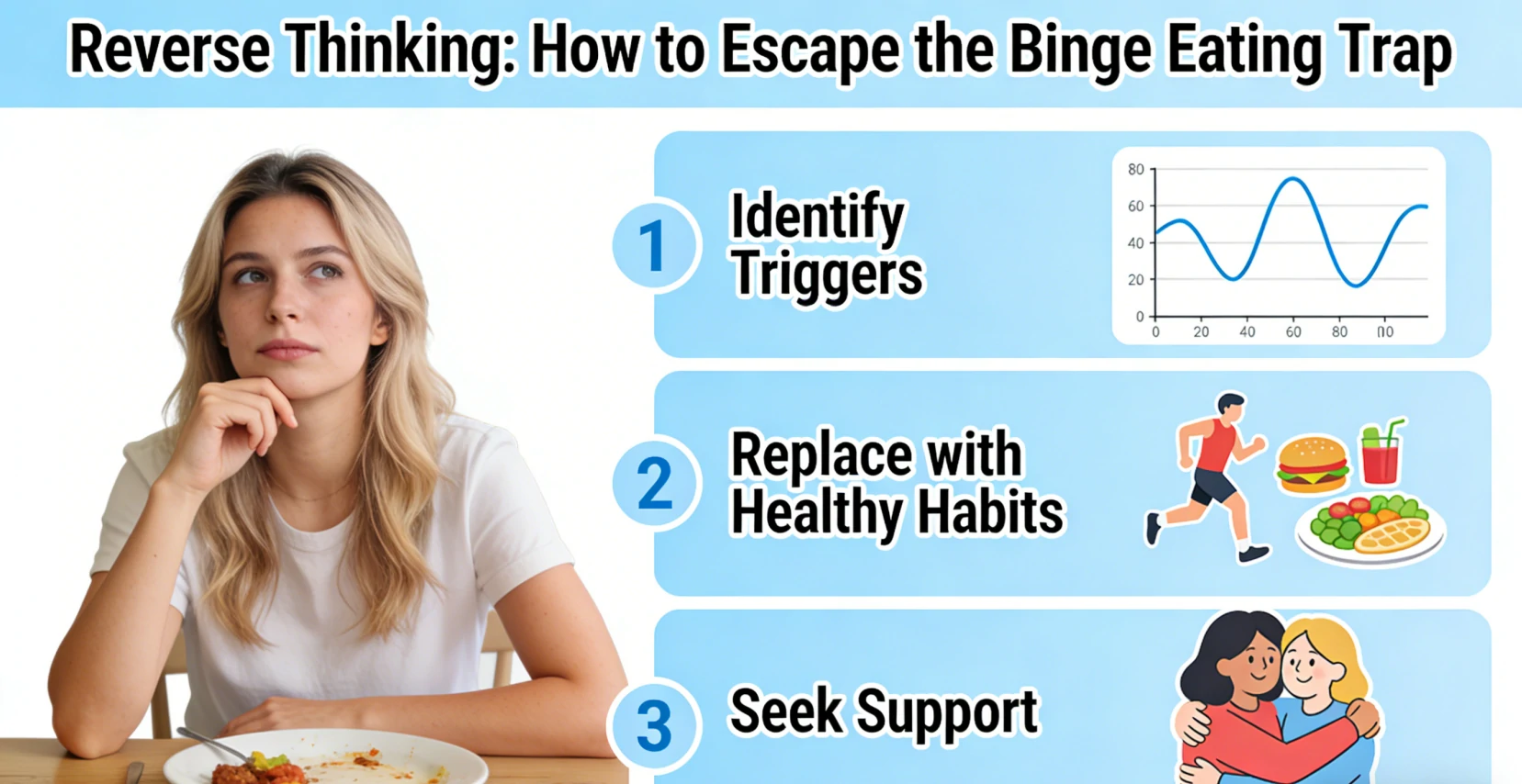
Recovery from bulimia is possible, but it requires courage, support, and professional guidance. The first and often most difficult step is acknowledging the problem. For many, this moment of clarity comes when the physical or emotional toll becomes too heavy to bear.
Treatment typically involves a multidisciplinary approach, combining therapy, nutritional counseling, and medical care. Cognitive-behavioral therapy (CBT), in particular, has proven highly effective in addressing the distorted thought patterns that fuel bulimic behaviors. As one patient, Maria, shared, “CBT taught me to challenge the voice in my head that equated thinness with worth. It wasn’t easy, but it saved my life.”
In severe cases, hospitalization or residential treatment may be necessary to address medical complications and provide a structured environment for healing. But for others, outpatient programs and support groups offer a lifeline. Organizations like NEDA and Project HEAL provide resources, hotlines, and communities where individuals can find solidarity and hope.
Family and friends also play a critical role in recovery. Their support, however, must be grounded in empathy rather than judgment. “It’s not about forcing someone to eat or stop purging,” explains Dr. Lee. “It’s about creating a safe space where they feel seen and heard.”
Bulimia may be a formidable opponent, but it is not invincible. With early intervention and comprehensive care, individuals can reclaim their lives and rebuild their relationship with food and their bodies.
Research suggests that recovery is not a linear process. Relapses may occur, but they do not signify failure. Instead, they are opportunities to refine coping strategies and deepen self-understanding. As author and activist Glennon Doyle once wrote, “We can do hard things.” For those battling bulimia, these words are a reminder that resilience is born from struggle.
In the end, recognizing bulimia is about more than identifying symptoms; it’s about understanding the humanity behind the disorder. It’s about seeing Sarah, Emily, and Maria—not as case studies, but as individuals whose stories deserve to be heard. And for anyone walking this difficult path, know this: you are not alone, and help is within reach.