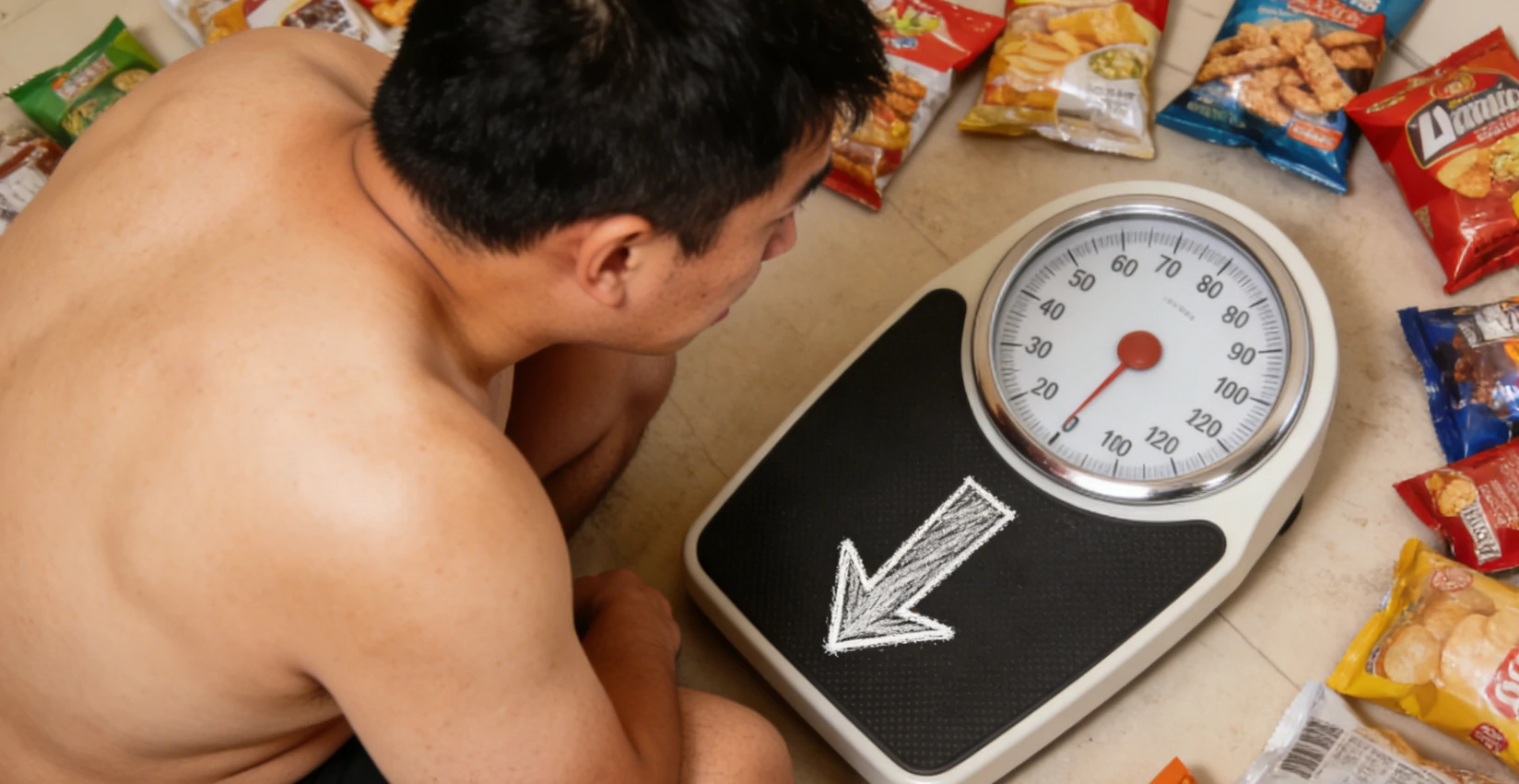



The morning sun filters through the blinds, casting long shadows across the bathroom tiles. You step onto the scale, a ritual performed with a mix of hope and dread. The number stares back, unchanged from last week, a silent rebuke to the skipped dinners and grueling gym sessions. This scene, repeated in millions of homes, underscores a fundamental misunderstanding. Weight management, as a growing chorus of experts now argues, is not a war against our bodies, but a complex, lifelong dialogue with them. It is less about subtraction and more about integration—a holistic recalibration of lifestyle, mindset, and biology.
For decades, the public discourse on weight loss has been dominated by a simple, brutal arithmetic: calories in versus calories out. This model, while rooted in thermodynamic truth, is now seen by many researchers as a drastic oversimplification. Dr. David Ludwig, a professor of nutrition at Harvard T.H. Chan School of Public Health, famously challenges this notion in his work. He argues that the type of calories consumed may be as critical as the quantity, influencing hormones like insulin that dictate whether calories are burned for energy or stored as fat. "When we eat highly processed carbohydrates," he notes, "it triggers a cycle of insulin secretion, fat storage, and hunger that can undermine weight-loss efforts, regardless of willpower." This shifts the focus from sheer calorie counting to understanding the metabolic symphony within.
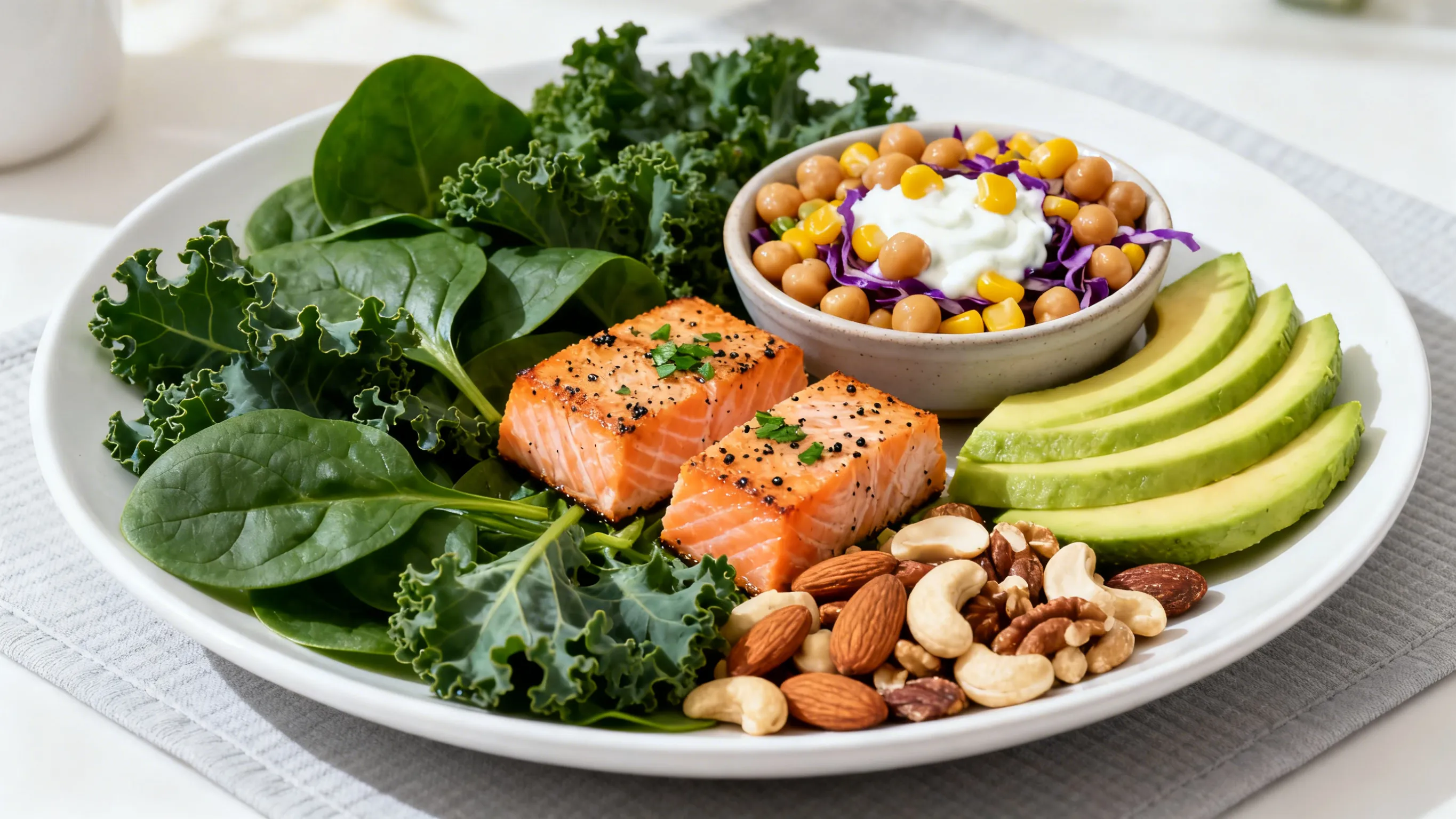
Perhaps the most profound shift in contemporary weight management science is the move away from short-term, restrictive "diets" and toward sustainable, nourishing dietary patterns. The Mediterranean diet, consistently ranked among the healthiest in the world, is not a diet at all in the modern sense. It is a cultural blueprint for eating, emphasizing whole foods—olive oil, nuts, fish, legumes, and an abundance of vegetables. A 2019 study published in The Lancet Diabetes & Endocrinology followed participants for over five years and found that those adhering to a Mediterranean-style diet, particularly when energy-unrestricted and rich in healthy fats, experienced significant weight loss and reduced cardiovascular risk without the torment of constant hunger. The lesson is clear: deprivation is a poor long-term strategy. Nourishment is key.
Yet, what we eat is only one part of the equation. The modern environment is, in the words of some public health scholars, "obesogenic." We are surrounded by hyper-palatable, calorie-dense foods, marketed aggressively and available 24/7. Our jobs are increasingly sedentary, and our cities are often designed for cars, not pedestrians. Managing weight in this context requires conscious environmental engineering. This might mean something as simple as using smaller plates, a tactic supported by behavioral science to reduce portion sizes without conscious effort. Or it could involve restructuring your pantry, placing fruits and vegetables at eye level while tucking away processed snacks. As Brian Wansink’s research at Cornell’s Food and Brand Lab has illustrated, we make over 200 food-related decisions a day, most unconsciously. Seizing control of a few key environmental cues can have an outsized impact.
Then there is the body in motion. Exercise, while sometimes overhyped as a primary weight-loss tool, is indispensable for weight management and, more importantly, for health. Its benefits are manifold and extend far beyond burning calories. Regular physical activity, particularly strength training, builds metabolically active muscle tissue, which subtly increases the body's resting energy expenditure. It improves insulin sensitivity, helping to regulate blood sugar and reduce fat storage. Furthermore, as research in journals like Frontiers in Psychology indicates, exercise is a potent modulator of stress and mood, combating the cortisol-driven cravings that often derail dietary efforts. The goal is not to punish oneself for eating but to celebrate what the body can do—a shift from exercise as penance to movement as joy and capability.
Beneath all these strategies lies the most critical, and most neglected, component: the mind. Stress, poor sleep, and negative self-talk form a toxic triad that can hijack the best-laid plans. Chronic stress elevates cortisol, a hormone that can promote abdominal fat storage and increase appetite for sugary, fatty foods. Meanwhile, skimping on sleep—a common feature of modern life—disrupts the hormones leptin and ghrelin, which regulate hunger and satiety. One might be following a perfect diet, but under chronic stress and sleep deprivation, the body’s physiological signals will fiercely resist weight loss. Techniques like mindfulness meditation, cognitive-behavioral strategies, and prioritizing seven to nine hours of quality sleep are not "soft" add-ons; they are foundational pillars of metabolic health.
This journey is deeply personal and non-linear. The scale is a fickle and often cruel master, fluctuating daily due to hydration, sodium intake, and hormonal cycles. A more compassionate and informative approach involves a mosaic of metrics: how your clothes fit, your energy levels throughout the day, the quality of your sleep, your strength and endurance in physical activity. These are the true markers of progress, the quiet signals of a body coming into balance. Celebrating non-scale victories—walking up stairs without getting winded, choosing a salad because it sounds genuinely appealing, feeling more present and less anxious—rewards the behaviors that lead to sustainable health.
Ultimately, the science of healthy weight management converges on a philosophy of addition, not deprivation. It is about adding more whole, nutrient-dense foods to crowd out the processed ones. It is about adding joyful movement to your routine, restful sleep to your nights, and self-compassion to your inner dialogue. It is a slow, intentional process of building a life that naturally supports a healthy weight, rather than perpetually fighting against your own biology and psychology. The goal is not to reach a certain number by a certain date, but to cultivate a resilient, vibrant, and well-tended body for the long journey ahead. The path forward is not marked by restriction, but by a richer, more attentive kind of nourishment in every sense of the word.