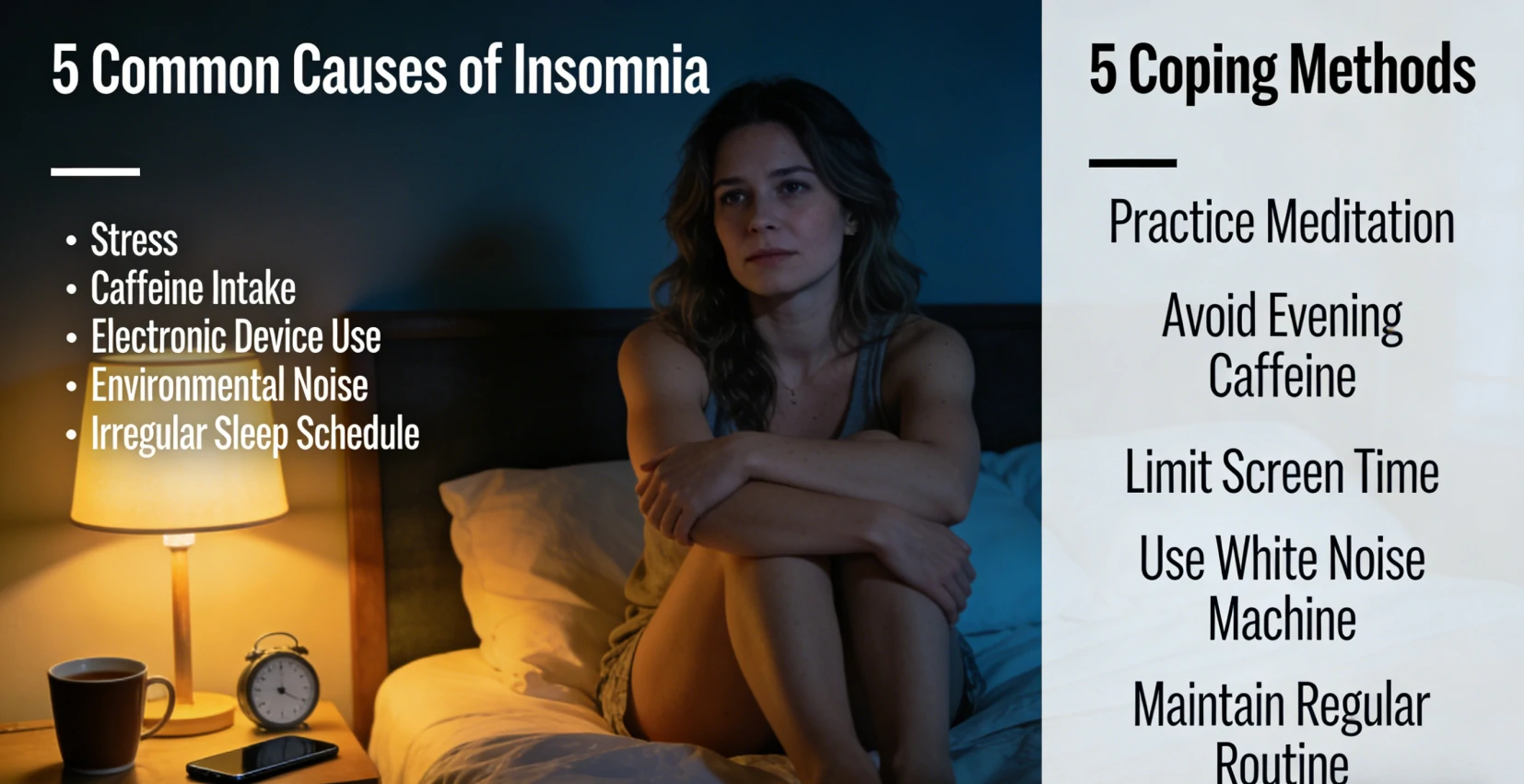


The city never truly sleeps, but perhaps we should. I remember lying awake at three in the morning, watching the faint, persistent glow of a standby LED from a power strip paint a tiny red constellation on my ceiling. Outside, the sodium-vapor streetlamp bled an orange haze through the blinds, casting long, distorted shadows that seemed to pulse with the distant, rhythmic hum of a delivery truck. In that moment, the profound irony was inescapable: in our quest to conquer the night with light, we had inadvertently declared war on sleep itself. This isn't just about feeling groggy; it’s a silent, pervasive public health issue. As Dr. Charles Czeisler, a leading sleep researcher at Harvard Medical School, has often stated, we are living in a "24/7 society" that is fundamentally at odds with our biology, creating what he terms a "global sleep-loss epidemic."
The cornerstone of this conflict is light—specifically, artificial light after sunset. Our internal clock, the circadian rhythm, is exquisitely tuned to the solar cycle. It’s governed by the suprachiasmatic nucleus, a tiny region in the brain that responds to light cues detected by our eyes. When darkness falls, it signals the pineal gland to release melatonin, the powerful hormone that whispers to our body, "It is time to rest." Yet, we flood our evenings with a photonic barrage. The blue-rich light emitted by LEDs in screens, bulbs, and fixtures is particularly disruptive. A seminal study published in the Journal of Applied Physiology demonstrated that exposure to room light before bedtime suppressed melatonin production in 99% of participants, shortening the duration of melatonin secretion by about 90 minutes. Think about that: the simple act of reading on a tablet or scrolling under a bright ceiling light can effectively amputate a crucial phase of your body’s restorative process.
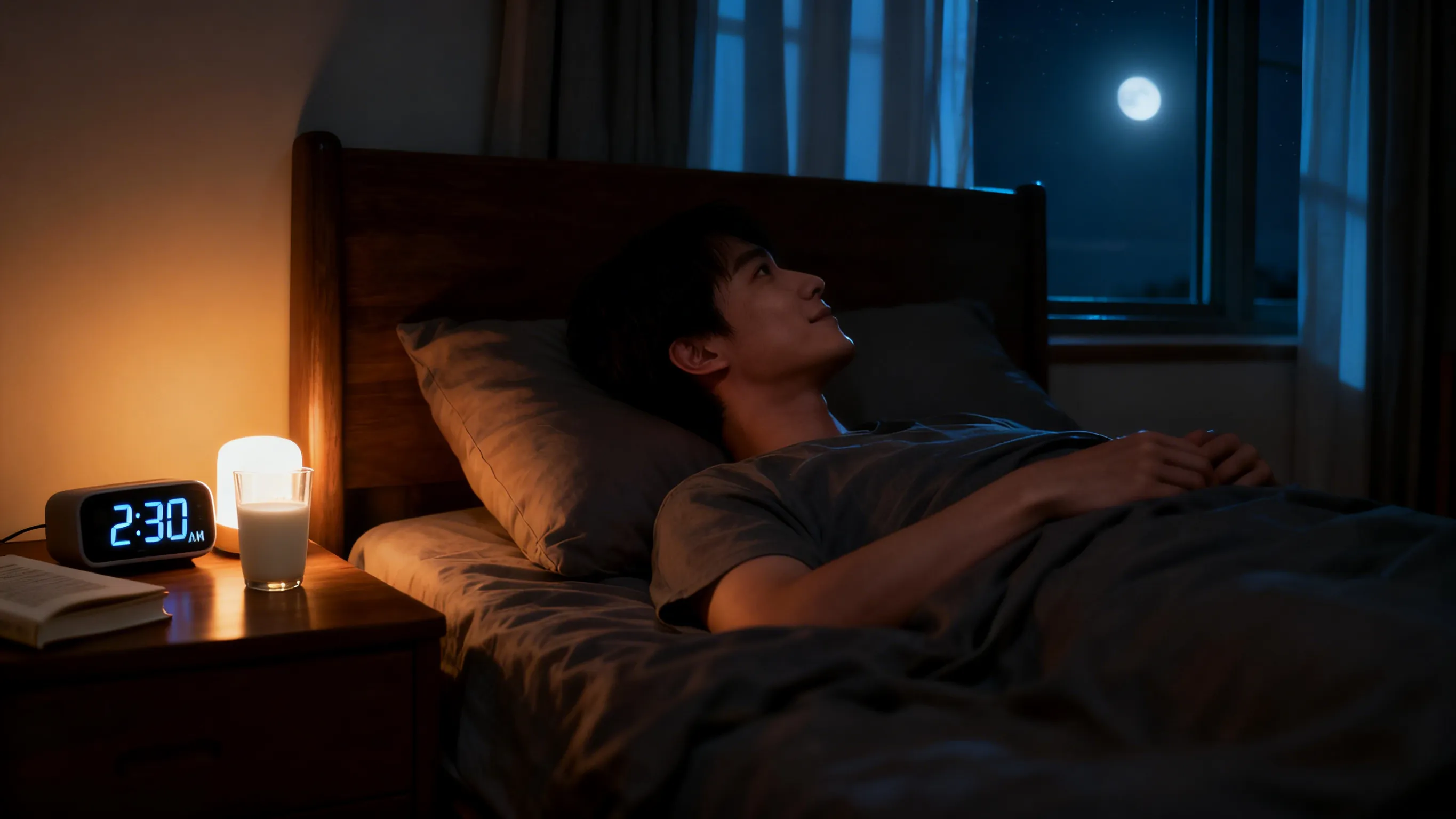
But the assault is more nuanced than a single beam. It’s the cumulative effect of what sleep scientists call "light pollution" in the personal microcosm of the bedroom. It’s the charging indicator on your phone, the digital clock with its glaring numerals, the crack of light under the door, the glow from a neighboring building. Each source is a tiny, persistent voice arguing with your hypothalamus, insisting that the sun might still be up. Part of the problem, some researchers argue, is that we’ve come to associate bright, cool light with productivity and alertness—a association forged in the office and factory—and we’ve imported that aesthetic into our sanctuaries. The bedroom has become, in many homes, just another illuminated space, not a cocoon of darkness.
So, how do we reclaim the night? The solution begins with a conscious architectural and behavioral shift toward deliberate darkness. The goal is not just the absence of light, but the creation of a sensory environment that actively promotes sleep. This is a holistic endeavor.
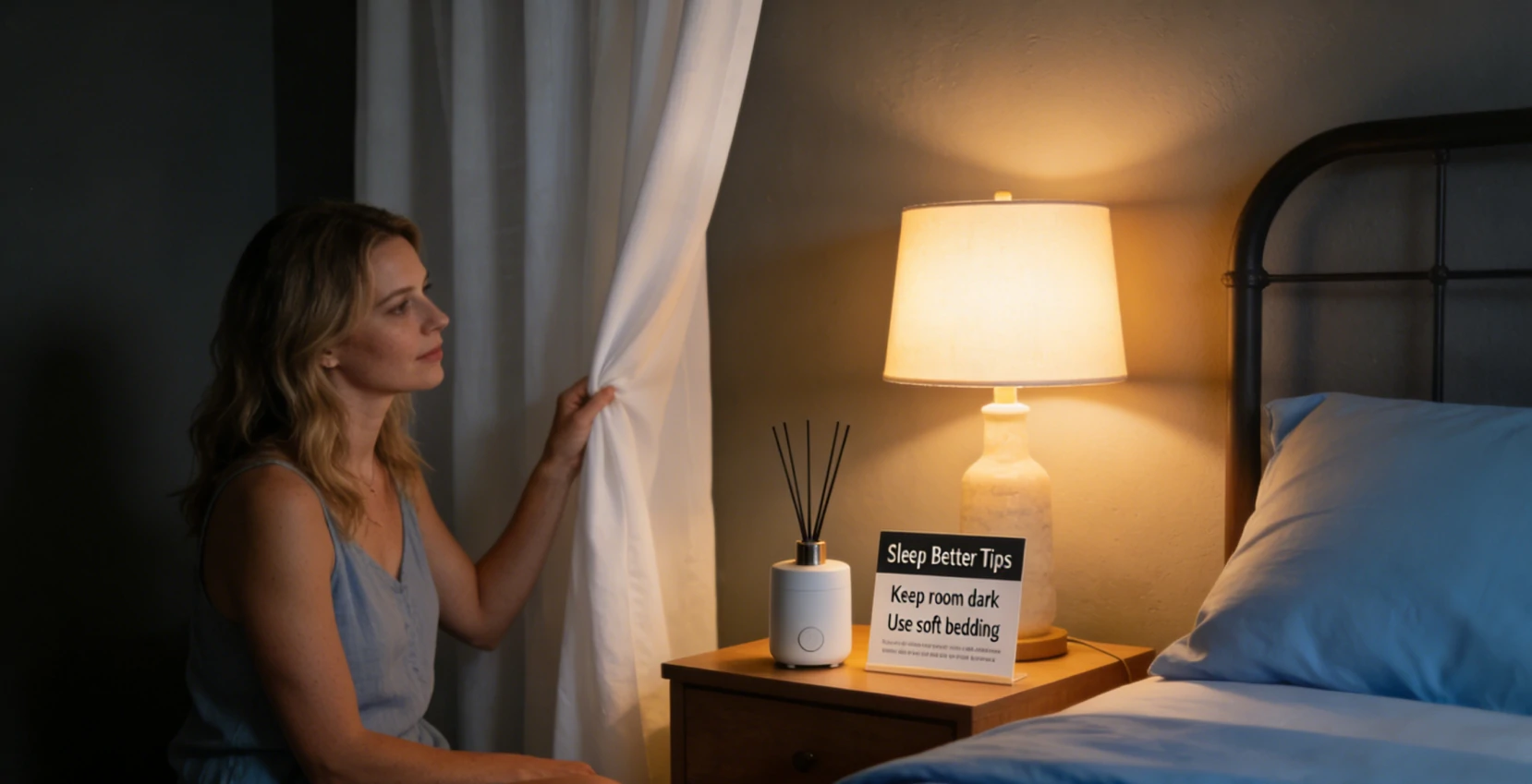
The First Pillar: Absolute Light Elimination. This is the non-negotiable foundation. Start with an audit. Lie in your bed at your usual bedtime and simply look. Note every source of light, no matter how small. The victory here is in the details. Use blackout curtains or shades—not just for style, but for function. The best ones create a seal against external light, transforming a city-facing room into a cavern. I replaced my standard blinds with a blackout cellular shade, and the difference was not subtle; it was profound, like a curtain falling on the world outside. For internal light leaks, employ electrical tape to cover LEDs on chargers, routers, and electronics. Ditch the digital clock for one with a light-activated face or, better yet, remove timepieces from view entirely. Anxiety often feeds on the relentless march of minutes displayed in the dark. If a nightlight is necessary for safety, opt for a dim, red- or amber-toned plug-in placed low to the floor, as these wavelengths are less disruptive to melatonin.
The Second Pillar: The Pre-Sleep Ritual of Dimming. Darkness shouldn’t be a sudden, jarring event. It should be a gradual descent. This is where the concept of "light hygiene" comes into play. In the 60-90 minutes before bed, initiate a household dimming. Switch overhead lights to their lowest setting or use lamps with warm-white bulbs (2700K or lower). This mimics the natural progression of sunset. The most critical behavioral change is the management of screens. The common advice is to avoid them, but for many, that’s impractical. The compromise lies in aggressive filtration. Enable "Night Shift" or "Blue Light Filter" settings on all devices at dusk. Consider installing software like f.lux that automatically warms your computer’s display color temperature based on your local sunset. More importantly, institute a "digital curfew." Perhaps the last 30 minutes before bed can be screen-free, reserved for a physical book (under a warm, directed reading light), gentle stretching, or quiet conversation. This ritual signals a transition, a psychological crossing of a threshold from the domain of doing into the realm of being.
The Third Pillar: The Sonic and Thermal Landscape. Darkness is the primary actor, but it performs best with a supporting cast of sound and temperature. A cool room, around 65°F (18.3°C), is consistently cited by sleep experts as optimal for initiating sleep, as it facilitates the core body temperature drop that is part of the sleep-onset process. Then there is noise—or rather, the management of it. Total silence can be as unnerving for some as a sudden noise. The solution is often consistent, masking sound. White noise machines are popular, but the science points toward "pink noise"—a deeper, more balanced sound like steady rain or wind—as potentially more beneficial. A 2017 study in Frontiers in Human Neuroscience found that pink noise stimulation during sleep enhanced deep sleep and improved memory recall in older adults. For many, the gentle, rhythmic hum of a fan serves this dual purpose of cooling and sound-masking perfectly.
The Fourth Pillar: The Psychology of Space. Finally, the bedroom environment must be mentally coded for sleep and intimacy only. This is perhaps the hardest rule in an age of multifunctional living. If possible, banish work materials, exercise equipment, and especially televisions. The presence of a TV, researchers note, creates a cognitive association with stimulation and alertness. The bed itself should be a haven. Invest in the best mattress and pillows you can afford—this is not an extravagance, but a long-term investment in neurological repair. The tactile environment matters: high-thread-count, breathable cotton sheets feel different than synthetic blends; they manage moisture and temperature, contributing to physical comfort. Some studies even suggest the scent of lavender can have a mild sedative effect, so a few drops of essential oil on a pillow corner might be a worthwhile experiment.
We cannot, and perhaps should not, revert to a pre-industrial relationship with the night. But we can negotiate a truce. Improving the sleep environment is an act of profound self-respect. It is a statement that for one-third of our lives, we choose to prioritize restoration over stimulation, biology over technology, and darkness over an endless, wearying day. It begins with something as simple as unplugging a nightlight or drawing a heavier curtain. The result, however, is anything but simple. It is the deep, unbroken sleep that repairs tissue, consolidates memory, clears metabolic waste from the brain, and re-calibrates our emotional resilience. In the deliberate darkness, we find not emptiness, but the fertile ground from which a more alert, creative, and balanced waking life can grow. As the poet Wendell Berry once wrote, "To go in the dark with a light is to know the light. To know the dark, go dark." For true rest, we must first have the courage to embrace the dark.