

In the quiet, snow-dusted landscapes of Scandinavia, where the Northern Lights dance across winter skies and summers stretch into endless days, a culinary philosophy has quietly taken root—one that marries ancient traditions with modern science. The Nordic diet, often overshadowed by its Mediterranean cousin, is emerging as a compelling blueprint for health and sustainability. It’s more than a list of ingredients; it’s a way of life, deeply intertwined with the rhythms of nature and the pursuit of balance. As research increasingly highlights its benefits, from heart health to mental clarity, this dietary pattern invites us to rethink what it means to eat well in a rapidly changing world.
The Nordic diet traces its origins to the rugged terrains of Denmark, Finland, Iceland, Norway, and Sweden—regions where long, harsh winters once dictated a reliance on preserved foods and hardy crops. Historically, Nordic cuisine was built on simplicity: fermented fish, dense rye bread, and foraged berries sustained communities through lean months. But in the early 2000s, a group of chefs, nutritionists, and environmentalists, including Claus Meyer and Arne Astrup, spearheaded the "New Nordic Cuisine" movement. Their manifesto emphasized local, seasonal, and sustainable ingredients, revitalizing traditional practices with a modern twist. As Meyer once noted, "It’s about rediscovering the flavors on our doorstep while respecting the land that provides them."
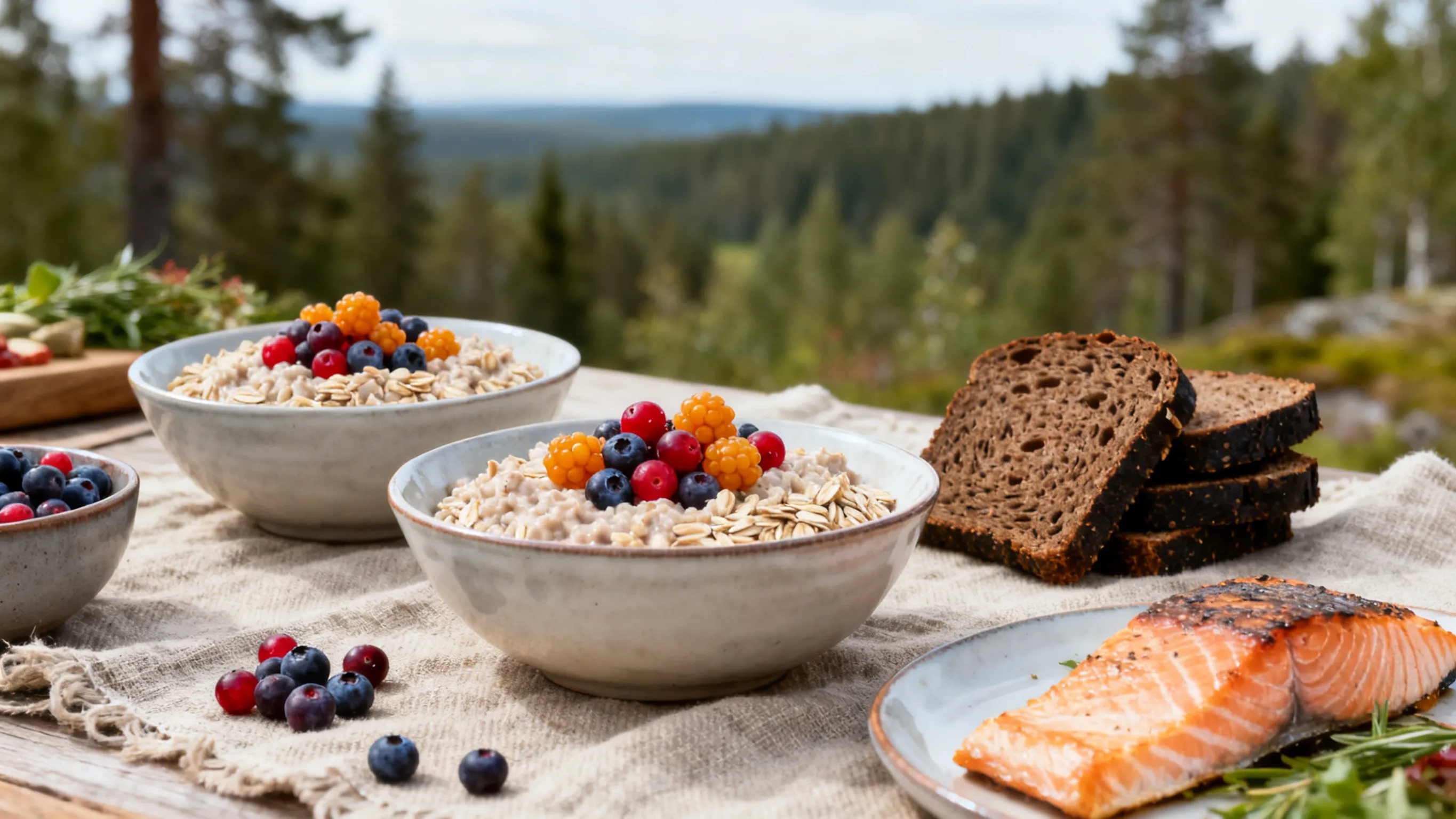
Today, the diet is celebrated for its alignment with both personal and planetary health. A 2022 review in the American Journal of Clinical Nutrition highlighted how Nordic dietary patterns correlate with reduced risks of cardiovascular disease and type 2 diabetes. Yet, it’s not merely a prescription for physical wellness; many advocates argue that its emphasis on mindfulness—savoring meals, connecting with nature—fosters psychological resilience. Perhaps this is why the Nordic diet feels less like a rigid plan and more like an invitation to slow down and appreciate the simplicity of a bowl of oatmeal topped with lingonberries.
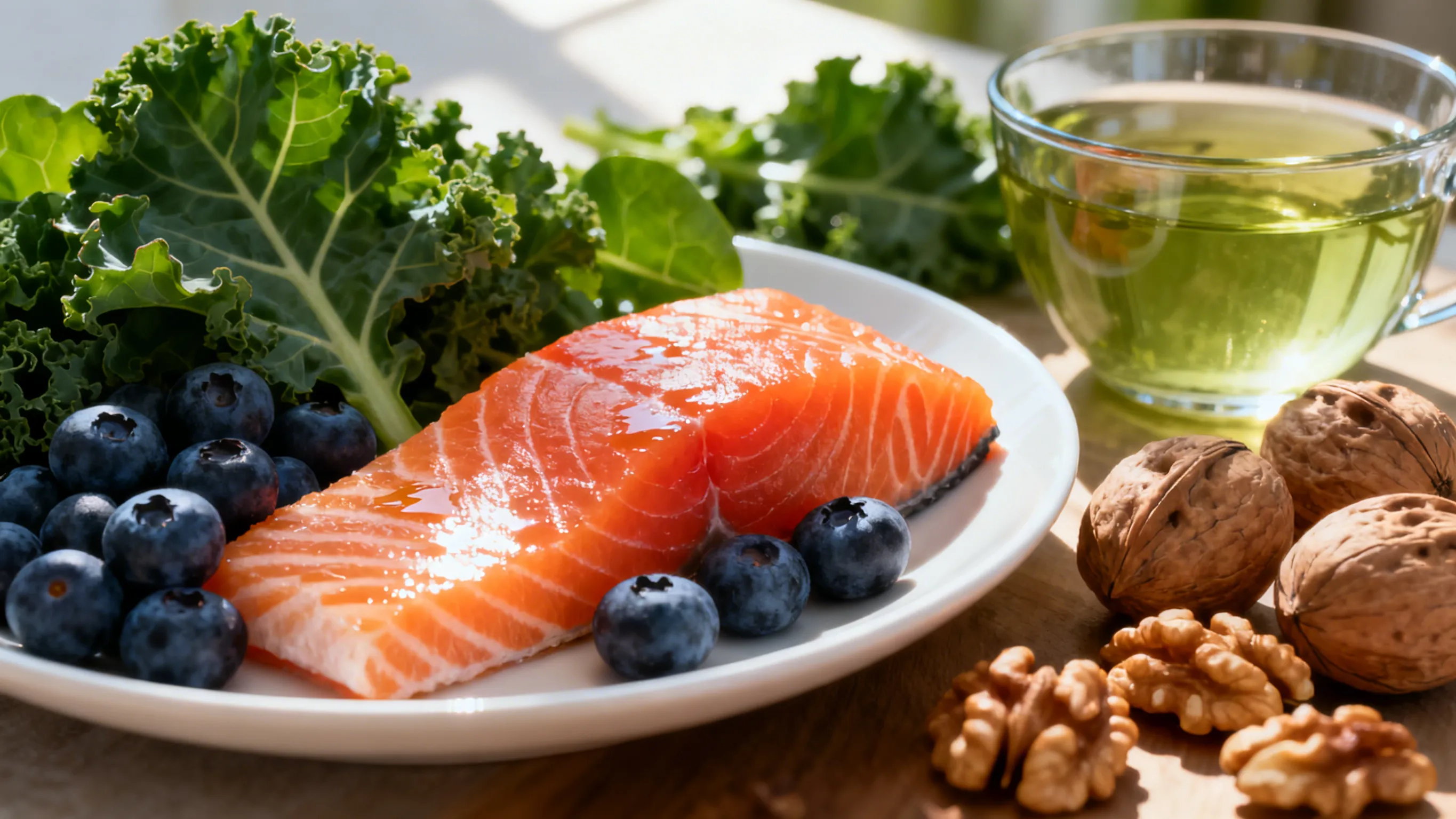
At its heart, the Nordic diet prioritizes whole, minimally processed foods, but it distinguishes itself through a focus on regional staples. Think of it as a tapestry woven with earthy tones: whole grains like oats and barley, cruciferous vegetables such as cabbage and Brussels sprouts, and fatty fish like herring and salmon. Berries—lingonberries, bilberries, and cloudberries—add bursts of color and antioxidants, while canola oil replaces olive oil as the primary fat source. Foraged ingredients, from mushrooms to wild herbs, lend a sense of adventure to everyday meals.
One of the diet’s standout features is its sustainability ethos. Unlike many modern food systems, which rely on global supply chains, the Nordic model encourages local sourcing. A study from the University of Copenhagen found that adhering to Nordic dietary guidelines could reduce greenhouse gas emissions by up to 15% compared to the average Western diet. This environmental consciousness isn’t just theoretical; it’s woven into daily life. In Finland, for example, "everyman’s rights" allow people to forage freely in forests, reinforcing a connection to the land.
But the Nordic diet isn’t without nuance. Some researchers caution against overidealizing it. For instance, a 2021 paper in Nutrients pointed out that traditional Nordic diets included significant amounts of red meat and salt-preserved foods, which modern iterations aim to moderate. As one nutritionist from Uppsala University remarked, "We’re not advocating a return to the past but rather a thoughtful evolution—balancing tradition with contemporary health insights."
Evidence for the Nordic diet’s health benefits continues to accumulate. A landmark 2020 trial published in Clinical Nutrition followed over 2,000 participants and found that those adhering to the diet experienced notable improvements in blood pressure and LDL cholesterol levels. The high fiber content from whole grains and root vegetables, combined with omega-3 fatty acids from fish, appears to synergize in ways that support metabolic health.
Mental well-being is another area of interest. A study from the University of Eastern Finland suggested that the diet’s anti-inflammatory properties might alleviate symptoms of depression. One participant, a 45-year-old teacher from Oslo, shared how switching to a Nordic-inspired diet helped her manage stress: "Preparing meals with seasonal ingredients became a form of meditation. I felt more grounded, less rushed." Still, experts like Dr. Lena Larsen, a public health researcher, urge caution: "While the findings are promising, we need more longitudinal studies to fully understand the psychological impacts."
Interestingly, the diet’s flexibility may be one of its strengths. Unlike rigid fads, it accommodates cultural variations. In Iceland, fermented shark might be a delicacy, while in Copenhagen, rye bread sandwiches (smørrebrød) reign supreme. This adaptability makes it accessible—a quality that perhaps explains its growing popularity beyond Scandinavia.
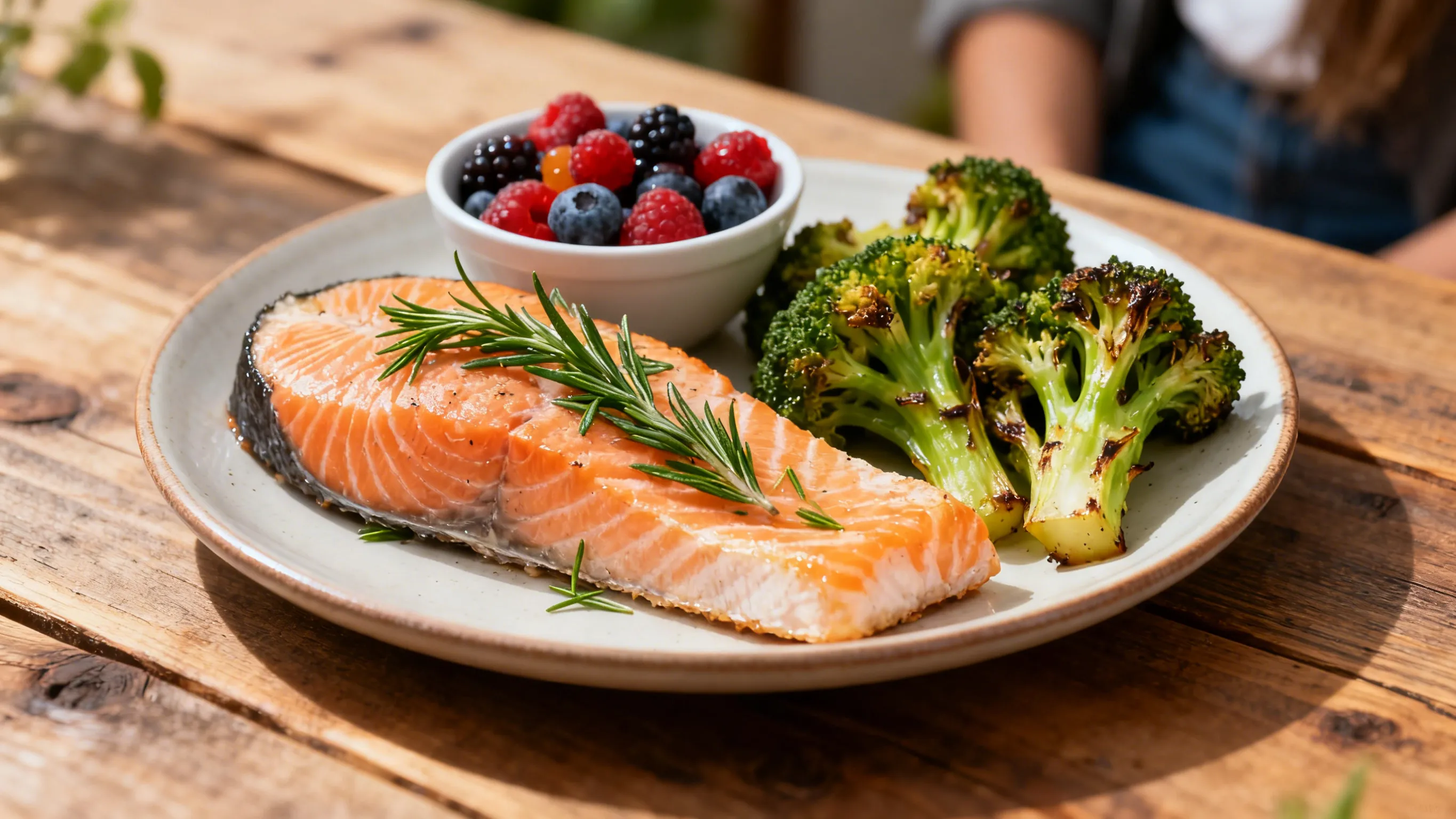
Adopting the Nordic diet doesn’t require a passport; it’s about embracing its principles wherever you are. Start by incorporating more whole grains—swap white bread for dense, seedy rye or barley. Experiment with root vegetables like parsnips and beets, roasted with a drizzle of canola oil. For protein, focus on fatty fish at least twice a week, and consider plant-based options like legumes and mushrooms.
Seasonality is key. Visit farmers' markets to discover local produce, and try preserving foods through pickling or fermenting—a practice that adds depth to flavors and extends shelf life. One Copenhagen-based chef I spoke with shared a simple tip: "Freeze summer berries to enjoy in winter; it’s a small act that connects you to the cycles of nature."
Of course, challenges exist. In regions where Nordic ingredients are scarce, creativity is essential. Cabbage can replace kale, and local fish like mackerel can stand in for salmon. The goal isn’t perfection but progress—a shift toward mindful eating.
The Nordic diet is more than a nutritional framework; it’s a narrative about harmony—between humans and nature, tradition and innovation. It reminds us that health isn’t just about nutrients on a plate but about the stories we tell through food. As the world grapples with climate change and rising chronic diseases, this Northern European approach offers a path forward, grounded in evidence yet rich with soul.
In the words of a Finnish proverb, "Happiness is a place between too little and too much." Perhaps the Nordic diet embodies that balance—a gentle nudge to eat with purpose, live with intention, and find joy in the simple act of breaking bread.