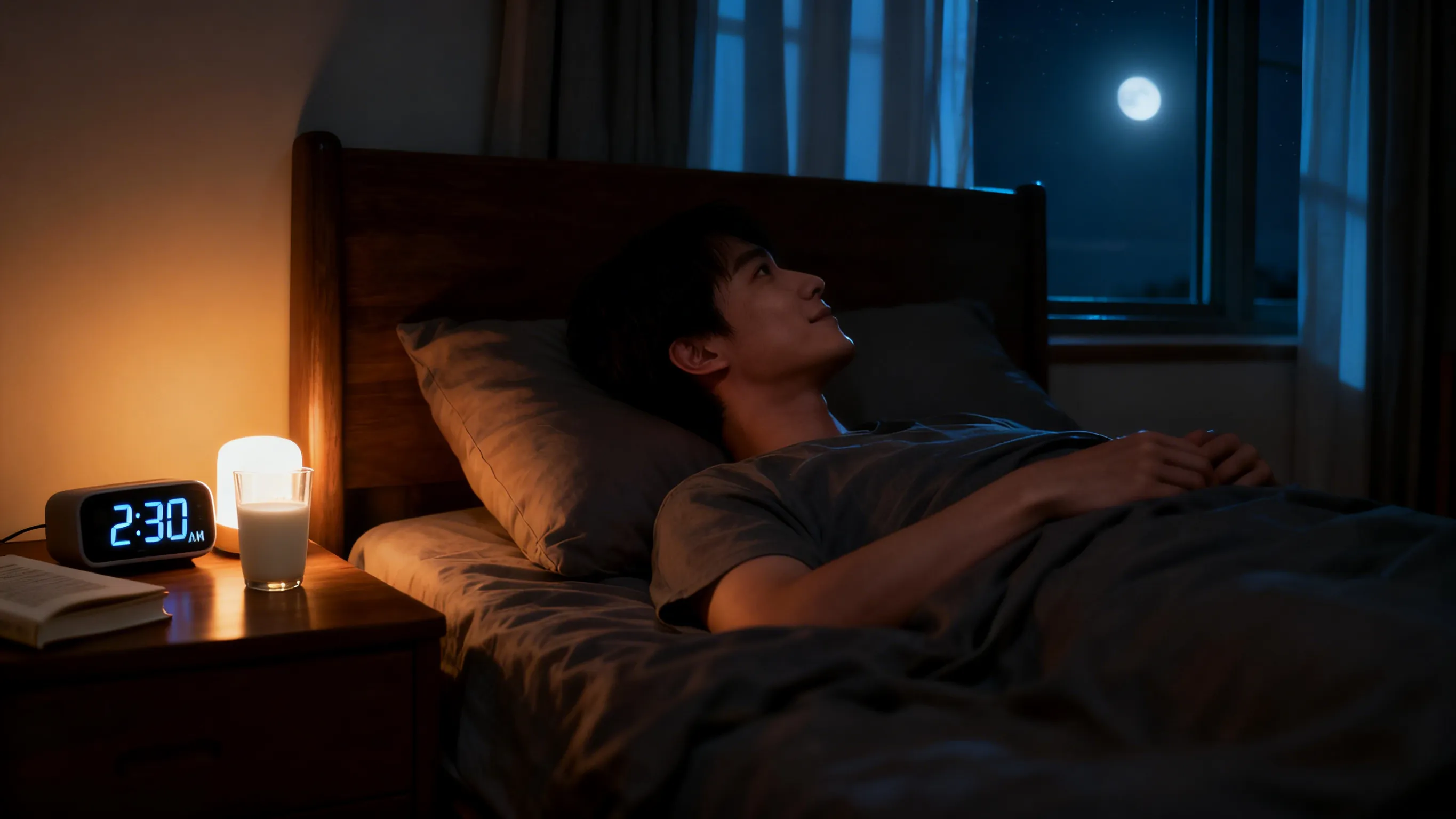


It starts innocently enough—a restless night here, a few hours of tossing and turning there. But for millions, those fleeting moments of wakefulness morph into something far more insidious: chronic insomnia. The World Health Organization estimates that nearly 30% of adults worldwide experience symptoms of insomnia, with about 10% meeting the criteria for a chronic disorder. What begins as a temporary disruption can, over time, weave itself into the very fabric of daily life, altering not just sleep patterns but mental resilience, physical health, and even social dynamics.
Most people have experienced a sleepless night before a big presentation or after consuming one too many cups of coffee. These occasional episodes, while frustrating, rarely leave lasting scars. But when sleeplessness lingers for months, it crosses into the territory of chronic insomnia. According to Dr. Matthew Walker, a renowned neuroscientist and author of Why We Sleep, the distinction lies in persistence and impact. "Acute insomnia is often situational—a response to stress or change. Chronic insomnia, however, becomes a self-sustaining cycle, where anxiety about sleep itself perpetuates the problem."
Take Anna, a 42-year-old graphic designer. Her journey with insomnia began during a particularly demanding project. At first, she attributed her sleeplessness to deadlines and caffeine. But even after the project ended, the pattern remained. "I’d lie in bed, my mind racing about everything I needed to do the next day. The harder I tried to sleep, the more elusive it became," she recalls. Her experience mirrors what sleep specialists describe as "conditioned arousal," where the bed—a place meant for rest—becomes a trigger for anxiety.
The consequences of chronic insomnia extend far beyond fatigue. Research published in The Lancet Psychiatry highlights strong links between long-term sleep disturbances and mental health disorders like depression and anxiety. One study even suggests that individuals with insomnia are five times more likely to develop depression. But the impact isn’t limited to the mind. Physically, chronic sleep deprivation has been associated with cardiovascular issues, weakened immune function, and metabolic disorders. As Dr. Walker notes, "Sleep is the single most effective thing we can do to reset our brain and body health each day. When we neglect it, the price is steep."
Consider the subtle ways insomnia reshapes daily interactions. For Mark, a teacher in his late thirties, sleepless nights eroded his patience and creativity in the classroom. "I used to thrive on spontaneity, but now I feel like I’m running on empty. It’s harder to connect with my students, and my problem-solving skills have taken a hit," he shares. Such anecdotes align with findings from the National Sleep Foundation, which reports that sleep-deprived individuals often struggle with emotional regulation and cognitive tasks like memory retention and decision-making.
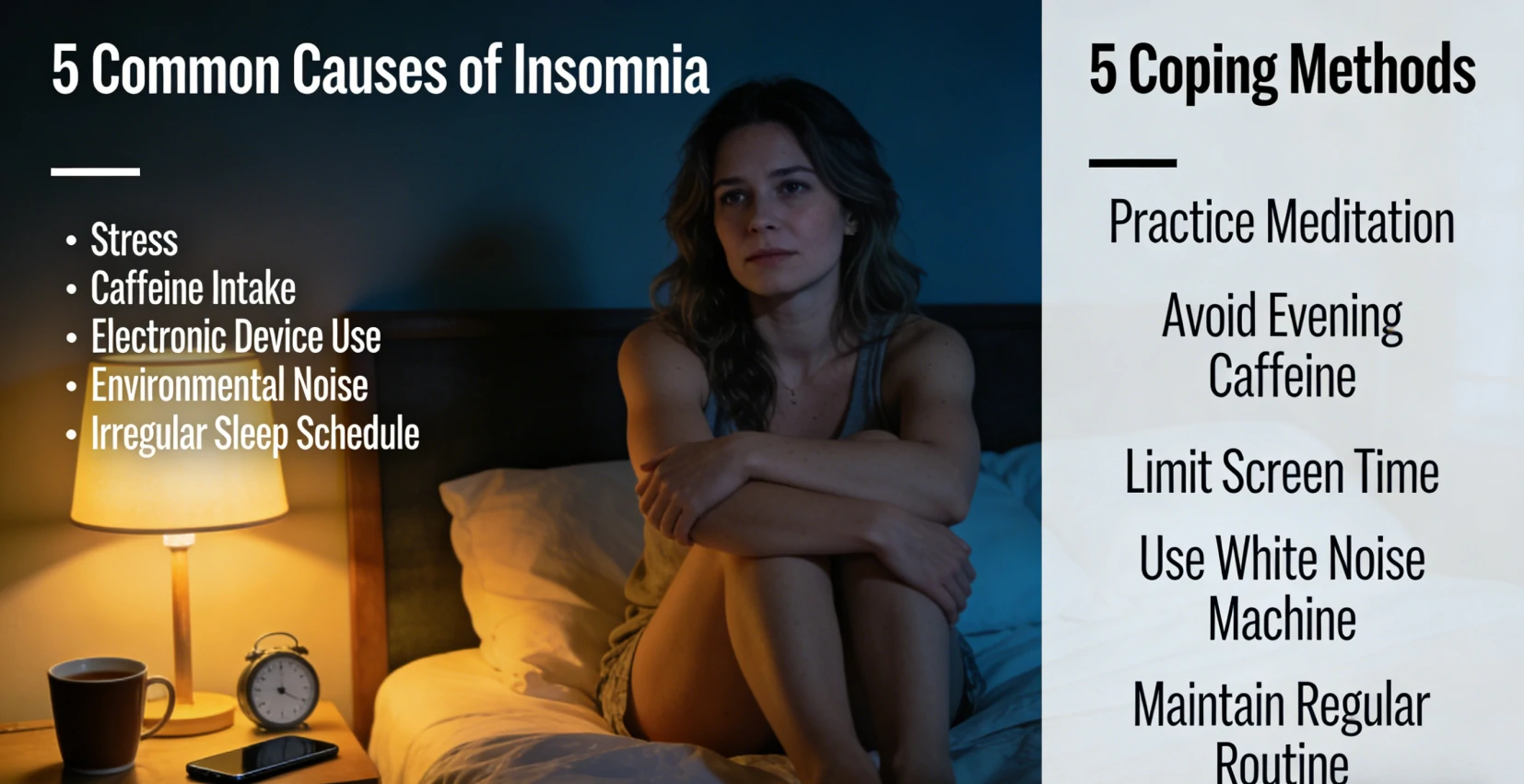
While stress is a common culprit, the roots of chronic insomnia are often multifaceted. Genetics may play a role; some studies suggest that certain individuals are predisposed to hyperarousal, a state where the brain remains overly active even during rest. Environmental factors, such as excessive screen time or irregular work schedules, can also disrupt the body’s circadian rhythm. Then there’s the modern lifestyle—a constant barrage of notifications, expectations, and obligations that leave little room for winding down.
Dr. Rebecca Robbins, a sleep researcher at Harvard Medical School, emphasizes the role of behavior in perpetuating insomnia. "Many people develop habits that unintentionally reinforce sleeplessness, like spending extra time in bed to 'catch up' on sleep or relying on alcohol as a sedative," she explains. These behaviors, while well-intentioned, often backfire, deepening the cycle of sleeplessness.
Addressing chronic insomnia requires a multi-pronged approach. Cognitive Behavioral Therapy for Insomnia (CBT-I) is widely regarded as the gold standard in non-pharmacological treatment. Unlike sleeping pills, which offer temporary relief, CBT-I targets the underlying thoughts and behaviors fueling insomnia. A 2020 meta-analysis in JAMA Internal Medicine found that CBT-I not only improved sleep efficiency but also reduced symptoms of anxiety and depression.
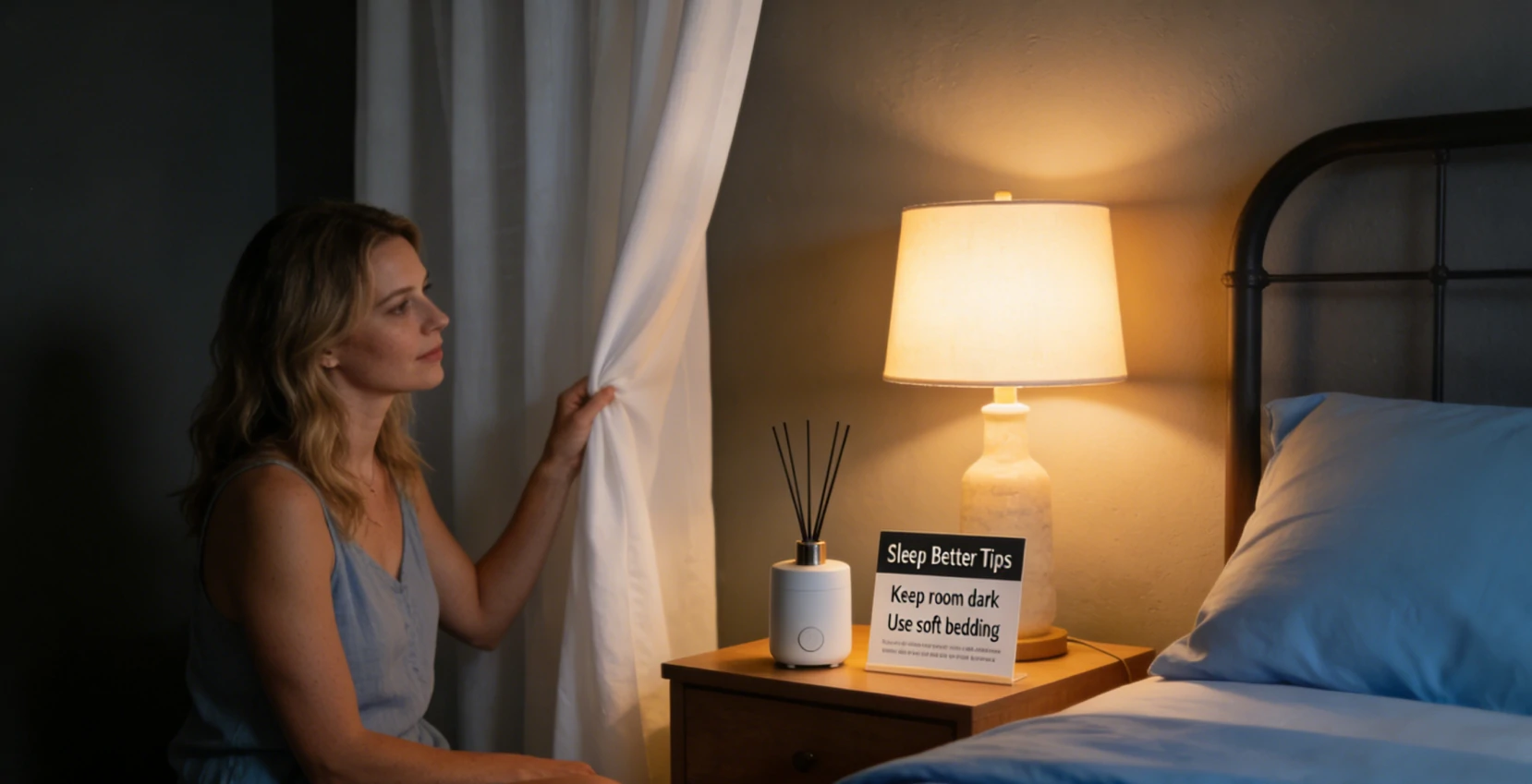
Lifestyle adjustments, too, can make a significant difference. For Anna, incorporating a "digital sunset"—switching off screens an hour before bed—and practicing mindfulness meditation helped quiet her racing thoughts. Mark found solace in establishing a consistent sleep schedule, even on weekends. "It felt rigid at first, but eventually, my body adapted," he says.
Of course, not all solutions are one-size-fits-all. Some researchers are exploring the potential of wearable technology to personalize sleep interventions. For instance, devices that monitor sleep stages and provide real-time feedback are gaining traction, though experts caution against over-reliance on data. As Dr. Robbins puts it, "Technology can be a tool, but it shouldn’t replace the foundational practices of good sleep hygiene."
Despite its prevalence, insomnia often flies under the radar, dismissed as a minor inconvenience rather than a serious health issue. This perception is slowly shifting, thanks in part to advocates and public health campaigns emphasizing sleep’s critical role in overall well-being. Companies like Google and Nike have begun integrating sleep-focused initiatives into corporate wellness programs, recognizing that well-rested employees are more productive and engaged.
Yet, there’s still a long way to go. Stigma around sleep disorders persists, and access to specialized care remains limited for many. As Dr. Walker argues, "We need to treat sleep with the same seriousness we accord to nutrition and exercise. It’s not a luxury; it’s a biological necessity."
Chronic insomnia is more than a collection of sleepless nights—it’s a thief of vitality, silently eroding the joys and capabilities that define us. But understanding its mechanisms and impacts is the first step toward reclaiming rest. For Anna, the journey to better sleep was neither quick nor linear, but it was transformative. "I’ve learned to listen to my body rather than fight it," she reflects. "And in doing so, I’ve rediscovered parts of myself I thought were lost."
Perhaps the most profound lesson insomnia teaches is the importance of balance. In a world that glorifies busyness, prioritizing sleep is an act of rebellion—one that promises not just rest, but renewal.